

Custom Scapes
Gardening
Snohomish / WA / US
 0 (0)
0 (0)
0 followers
Creating an inviting exterior for your home begins with excellent curb appeal, and a lush, green lawn is a significant contributor. If you're considering installing sod to upgrade your lawn, whether you're moving into a new home or revitalizing your existing landscape, there are several factors to consider. From the cost and labor involved to the speed of results and proper sod care techniques, making informed decisions ensures the success of your lawn project.
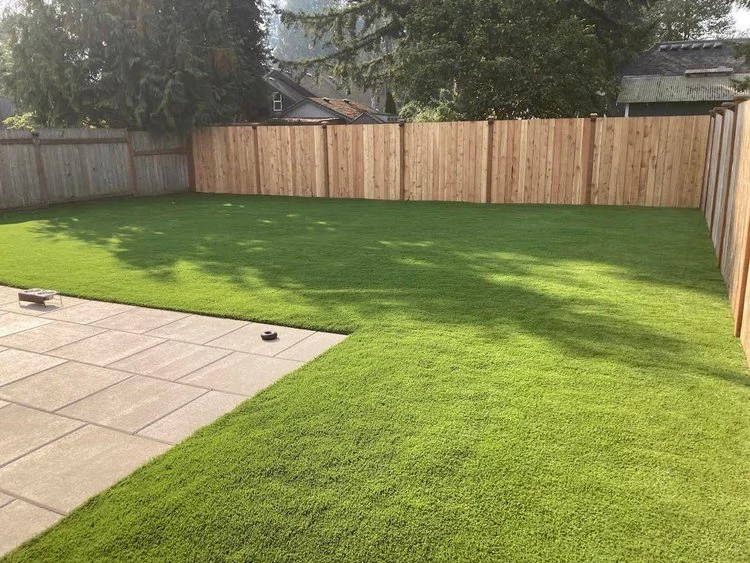
Sod, essentially pre-grown grass in rolls or strips, offers a convenient solution for achieving an instantly verdant lawn. Unlike planting grass from seed, sod provides immediate coverage and requires less effort to maintain its appearance. This ready-to-install grass is held together by roots and other materials, facilitating quick and easy installation for a picture-perfect lawn in minimal time.
Homeowners often opt for sod due to its convenience and the assurance of uniform growth, which may be challenging to achieve with grass seed. However, before diving into a sod installation project, it's essential to weigh the pros and cons. While sod offers the advantage of rapid transformation, it can be costly, especially when professional installation is involved. On the other hand, seeding a lawn is a more budget-friendly option, albeit with a longer waiting period for visible results.
Another benefit of sod is its lower initial maintenance requirements, thanks to its established turf. While proper sod care is necessary post-installation, seeding a lawn demands meticulous soil preparation and ongoing care to ensure successful germination. Additionally, installing sod typically requires more labor compared to seeding, as each piece of turf must be laid meticulously to achieve seamless coverage.
Choosing the optimal time for sod installation is crucial for its successful establishment. Ideally, it's best to avoid extreme temperatures, whether too cold or too hot, as they can stress the newly laid grass. Late spring or early summer is often recommended for laying sod, providing favorable conditions for root growth and minimizing the risk of shock to the turf.
Before installing sod, proper preparation of the soil is paramount to ensure optimal growth and integration. Clearing the ground of debris, testing and fertilizing the soil as needed, and loosening the soil to promote root penetration are essential steps in pre-installation sod care. Adequate soil preparation sets the stage for healthy turf development and long-term lawn vitality.
Selecting the right type of sod grass for your lawn is equally critical to its success. Factors such as regional climate, sunlight exposure, shade tolerance, and desired maintenance level should guide your choice. Whether opting for cool-season or warm-season grasses, ensuring compatibility with your local climate and environmental conditions is key to achieving a thriving lawn.
Once the groundwork is laid, it's time to proceed with the sod installation process. Working methodically in strips and ensuring tight seams between each piece of turf are essential for a seamless finish. Proper installation lays the foundation for successful sod establishment and simplifies subsequent maintenance tasks.
After laying the sod, diligent post-installation care is essential to promote root growth and integration with the soil. Adequate watering, rolling the sod to enhance soil contact, and applying fertilizer treatments are crucial steps in post-installation sod care. Consistent maintenance and attention to detail during the initial establishment phase are essential for fostering a healthy, vibrant lawn.
In the event of excess sod or old grass, proper disposal methods include composting, relocation, or repurposing for landscaping projects. Recycling sod not only reduces waste but also contributes to environmental sustainability by enriching soil quality and supporting plant growth.
In colder climates, special considerations must be taken to protect newly laid sod during the winter months. Dormant sodding, which involves planting turf in cooler temperatures, can facilitate root establishment over the winter, leading to vigorous growth in spring. Applying fertilizer treatments before the first frost and ensuring adequate watering is essential for winter sod care.
Understanding the intricacies of sod care and maintenance is crucial for achieving a lush, healthy lawn that enhances your home's exterior beauty. With the right knowledge and approach, you can enjoy a vibrant, green landscape that adds charm and curb appeal to your property. Whether revitalizing your existing lawn or starting anew with sod, partnering with experts like Custom Scapes ensures personalized guidance and superior results for your lawn care endeavors.
Sod, essentially pre-grown grass in rolls or strips, offers a convenient solution for achieving an instantly verdant lawn. Unlike planting grass from seed, sod provides immediate coverage and requires less effort to maintain its appearance. This ready-to-install grass is held together by roots and other materials, facilitating quick and easy installation for a picture-perfect lawn in minimal time.
Homeowners often opt for sod due to its convenience and the assurance of uniform growth, which may be challenging to achieve with grass seed. However, before diving into a sod installation project, it's essential to weigh the pros and cons. While sod offers the advantage of rapid transformation, it can be costly, especially when professional installation is involved. On the other hand, seeding a lawn is a more budget-friendly option, albeit with a longer waiting period for visible results.
Another benefit of sod is its lower initial maintenance requirements, thanks to its established turf. While proper sod care is necessary post-installation, seeding a lawn demands meticulous soil preparation and ongoing care to ensure successful germination. Additionally, installing sod typically requires more labor compared to seeding, as each piece of turf must be laid meticulously to achieve seamless coverage.
Choosing the optimal time for sod installation is crucial for its successful establishment. Ideally, it's best to avoid extreme temperatures, whether too cold or too hot, as they can stress the newly laid grass. Late spring or early summer is often recommended for laying sod, providing favorable conditions for root growth and minimizing the risk of shock to the turf.
Before installing sod, proper preparation of the soil is paramount to ensure optimal growth and integration. Clearing the ground of debris, testing and fertilizing the soil as needed, and loosening the soil to promote root penetration are essential steps in pre-installation sod care. Adequate soil preparation sets the stage for healthy turf development and long-term lawn vitality.
Selecting the right type of sod grass for your lawn is equally critical to its success. Factors such as regional climate, sunlight exposure, shade tolerance, and desired maintenance level should guide your choice. Whether opting for cool-season or warm-season grasses, ensuring compatibility with your local climate and environmental conditions is key to achieving a thriving lawn.
Once the groundwork is laid, it's time to proceed with the sod installation process. Working methodically in strips and ensuring tight seams between each piece of turf are essential for a seamless finish. Proper installation lays the foundation for successful sod establishment and simplifies subsequent maintenance tasks.
After laying the sod, diligent post-installation care is essential to promote root growth and integration with the soil. Adequate watering, rolling the sod to enhance soil contact, and applying fertilizer treatments are crucial steps in post-installation sod care. Consistent maintenance and attention to detail during the initial establishment phase are essential for fostering a healthy, vibrant lawn.
In the event of excess sod or old grass, proper disposal methods include composting, relocation, or repurposing for landscaping projects. Recycling sod not only reduces waste but also contributes to environmental sustainability by enriching soil quality and supporting plant growth.
In colder climates, special considerations must be taken to protect newly laid sod during the winter months. Dormant sodding, which involves planting turf in cooler temperatures, can facilitate root establishment over the winter, leading to vigorous growth in spring. Applying fertilizer treatments before the first frost and ensuring adequate watering is essential for winter sod care.
Understanding the intricacies of sod care and maintenance is crucial for achieving a lush, healthy lawn that enhances your home's exterior beauty. With the right knowledge and approach, you can enjoy a vibrant, green landscape that adds charm and curb appeal to your property. Whether revitalizing your existing lawn or starting anew with sod, partnering with experts like Custom Scapes ensures personalized guidance and superior results for your lawn care endeavors.
1 Likes
