
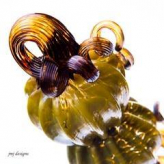
Renton Art & Glass Studio
Arts
Renton / WA / US
 0 (0)
0 (0)
0 followers
Crafting Magic: The Wonders of Glass Blowing
Glass – it's a ubiquitous part of our lives, yet its secrets often elude us. Ever wondered about the captivating artistry behind glass blowing? Join me on a journey into the fascinating science and ancient craft that shapes this everyday material.
Glass in Our Daily Lives:
Before we dive into the intricacies of glass blowing, let's pause to recognize the omnipresence of glass around us. From the bedroom window that frames your morning view to the mirrors reflecting your daily routine, and the windows through which you glimpse the world during your commute – glass is a silent companion.
Versatility of Glass:
Glass, however, is not a one-size-fits-all material. Consider the variety it offers – flat surfaces like windows and mirrors, and the more intricate, curved, shaped, and multi-colored glass items that adorn our homes and schools. But how does glass, known for its fragility, transform into these diverse forms?
The Ancient Art of Glass Blowing:
Enter glassblowing – an art form that traces its roots back to the Roman Empire, around the first century B.C.E. The ingenious Syrians of that era discovered that molten glass, when blown through a hollow tube, could be molded into an array of shapes. Fast forward to today, and we find this ancient craft alive and thriving in hot shops, led by skilled artisans, with the lead glassblower affectionately known as the gaffer.
Ingredients of Glass:
Let's unravel the science behind glass. The primary component is silica, a high-quality sand. To lower the melting point of the mixture, additional materials like soda (sodium dioxide) and lime (calcium oxide) are introduced. This concoction creates a unique material that, despite being solid, possesses an amorphous structure – rigid like a solid, yet with a molecular randomness akin to a liquid.
The Glassblowing Process:
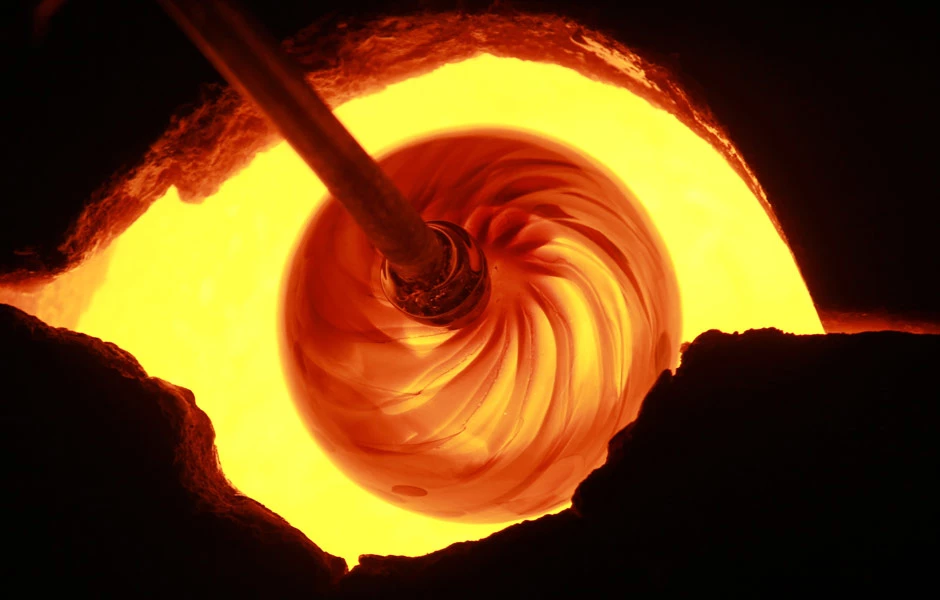
Our journey through the science of glass blowing begins with the creation of a glass batch, a mix of silica and other components. This blend is melted in a crucible within a workshop furnace, reaching temperatures surpassing 2,000º F. Armed with a blowpipe, the gaffer dips it into the molten glass, creating a bubble that becomes the foundation for the final product.
Crafting Shapes with Heat and Tools:
Shaping molten glass requires teamwork and specialized tools. A marver, a flat surface, aids in shaping, while blocks, jacks, heat shields, and paddles come into play to mold the glass into the desired form. As the glass cools rapidly, a visit to the glory hole, a second furnace, is often necessary to maintain workability.
Careful Cooling for Transparency:
Once the glass takes its final shape, the cooling process becomes crucial. Placed in an annealer, a third furnace, the glass product undergoes a gradual cooling process. Rushing this step could lead to crystallization, robbing the glass of its transparency and making it extremely fragile.
The Invitation to Try:
The art of glassblowing is not confined to the hands of skilled artisans. Have you ever dreamt of trying your hand at this mesmerizing craft? It's not just an ancient art; it's an invitation to explore your creativity. With practice, you might find yourself crafting unique glass pieces to adorn your home – a testament to the magic of glassblowing.
In conclusion, the science of glass blowing is a captivating blend of ancient artistry and modern ingenuity. As we gaze through our windows or admire the intricacies of a handcrafted glass ornament, let's appreciate the journey that transforms fragile molten glass into the versatile and transparent material we cherish in our daily lives.
Glass – it's a ubiquitous part of our lives, yet its secrets often elude us. Ever wondered about the captivating artistry behind glass blowing? Join me on a journey into the fascinating science and ancient craft that shapes this everyday material.
Glass in Our Daily Lives:
Before we dive into the intricacies of glass blowing, let's pause to recognize the omnipresence of glass around us. From the bedroom window that frames your morning view to the mirrors reflecting your daily routine, and the windows through which you glimpse the world during your commute – glass is a silent companion.
Versatility of Glass:
Glass, however, is not a one-size-fits-all material. Consider the variety it offers – flat surfaces like windows and mirrors, and the more intricate, curved, shaped, and multi-colored glass items that adorn our homes and schools. But how does glass, known for its fragility, transform into these diverse forms?
The Ancient Art of Glass Blowing:
Enter glassblowing – an art form that traces its roots back to the Roman Empire, around the first century B.C.E. The ingenious Syrians of that era discovered that molten glass, when blown through a hollow tube, could be molded into an array of shapes. Fast forward to today, and we find this ancient craft alive and thriving in hot shops, led by skilled artisans, with the lead glassblower affectionately known as the gaffer.
Ingredients of Glass:
Let's unravel the science behind glass. The primary component is silica, a high-quality sand. To lower the melting point of the mixture, additional materials like soda (sodium dioxide) and lime (calcium oxide) are introduced. This concoction creates a unique material that, despite being solid, possesses an amorphous structure – rigid like a solid, yet with a molecular randomness akin to a liquid.
The Glassblowing Process:
Our journey through the science of glass blowing begins with the creation of a glass batch, a mix of silica and other components. This blend is melted in a crucible within a workshop furnace, reaching temperatures surpassing 2,000º F. Armed with a blowpipe, the gaffer dips it into the molten glass, creating a bubble that becomes the foundation for the final product.
Crafting Shapes with Heat and Tools:
Shaping molten glass requires teamwork and specialized tools. A marver, a flat surface, aids in shaping, while blocks, jacks, heat shields, and paddles come into play to mold the glass into the desired form. As the glass cools rapidly, a visit to the glory hole, a second furnace, is often necessary to maintain workability.
Careful Cooling for Transparency:
Once the glass takes its final shape, the cooling process becomes crucial. Placed in an annealer, a third furnace, the glass product undergoes a gradual cooling process. Rushing this step could lead to crystallization, robbing the glass of its transparency and making it extremely fragile.
The Invitation to Try:
The art of glassblowing is not confined to the hands of skilled artisans. Have you ever dreamt of trying your hand at this mesmerizing craft? It's not just an ancient art; it's an invitation to explore your creativity. With practice, you might find yourself crafting unique glass pieces to adorn your home – a testament to the magic of glassblowing.
In conclusion, the science of glass blowing is a captivating blend of ancient artistry and modern ingenuity. As we gaze through our windows or admire the intricacies of a handcrafted glass ornament, let's appreciate the journey that transforms fragile molten glass into the versatile and transparent material we cherish in our daily lives.
1 Likes
