
NEXTFLY Web Design
IT/Technology
Phoenix / AZ / US
 0 (0)
0 (0)
1 followers
In the digital age, your website is often the first point of contact between your business and your audience. Its design plays a pivotal role in shaping the perception of your brand and the user experience. Join us as we explore the world of web design, uncovering the key principles and strategies to create compelling online destinations.
The Power of Web Design
Web design is not just about aesthetics; it's about creating an effective and user-friendly digital platform. A well-designed website can:
Capture Attention: A visually appealing design grabs the visitor's attention and encourages them to explore further.
Build Trust: A professional and organized layout instills trust in your brand and content.
Enhance User Experience: Intuitive navigation and responsive design make it easy for users to find what they're looking for.
Boost Conversions: Thoughtful design elements can guide users toward desired actions, such as making a purchase or signing up for a newsletter.
The Art of Visual Design
Visual design is the cornerstone of web design. It involves elements like color, typography, imagery, and layout. Considerations for visual design include:
Color Palette: Choose a harmonious color scheme that reflects your brand identity and evokes the desired emotions in visitors.
Typography: Select legible fonts that complement your content and maintain consistency across the site.
Imagery: Use high-quality images and graphics that resonate with your target audience and enhance the message.
Responsive and Mobile-Friendly Design
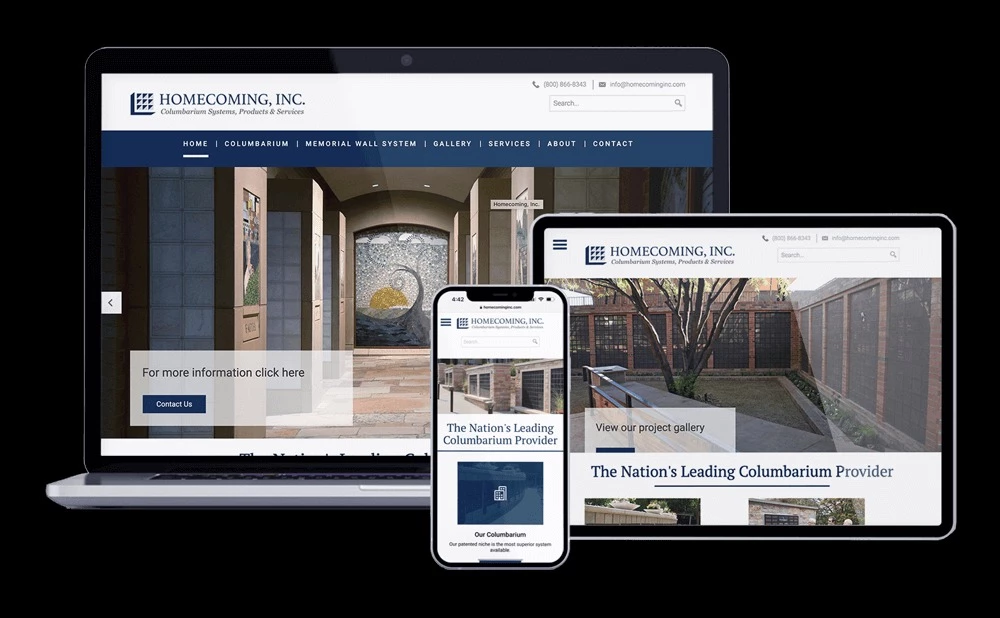
In an era of smartphones and tablets, a responsive design is non-negotiable. Ensure your website adapts seamlessly to different screen sizes and devices to provide a consistent experience for all users.
User-Centered Navigation
User-friendly navigation is a cornerstone of effective web design. Organize content logically, use clear and concise menus, and provide intuitive pathways for users to explore your site.
Content is King
Beyond aesthetics, the quality of your content is paramount. Engaging, informative, and well-structured content keeps visitors on your site longer and encourages them to return.
Page Loading Speed
Fast-loading pages are essential for retaining visitors. Optimize images, use efficient coding practices, and leverage content delivery networks (CDNs) to ensure swift page loading times.
Search Engine Optimization (SEO)
Web design and SEO go hand in hand. Ensure that your website is structured for SEO success, with optimized headings, meta tags, and clean code. This helps your site rank higher in search engine results pages (SERPs).
Testing and User Feedback
Regularly test your website across various browsers and devices to ensure compatibility and identify potential issues. Collect user feedback and make improvements based on their experiences and suggestions.
Security and Data Protection
Security should be a top priority. Implement SSL certificates, regularly update software and plugins, and follow best practices for data protection to safeguard your site and user information.
A Continual Journey
In conclusion, web design is a dynamic and ever-evolving field. Crafting effective and user-friendly websites requires a combination of artistry and technical expertise. By focusing on visual design, responsive layouts, user-centered navigation, content quality, and SEO, you can create digital experiences that resonate with your audience and drive success for your business or brand.
Remember that web design is not a one-time endeavor; it's a continual journey of improvement and adaptation. Embrace the art and science of web design to create digital destinations that captivate, inform, and inspire.
The Power of Web Design
Web design is not just about aesthetics; it's about creating an effective and user-friendly digital platform. A well-designed website can:
Capture Attention: A visually appealing design grabs the visitor's attention and encourages them to explore further.
Build Trust: A professional and organized layout instills trust in your brand and content.
Enhance User Experience: Intuitive navigation and responsive design make it easy for users to find what they're looking for.
Boost Conversions: Thoughtful design elements can guide users toward desired actions, such as making a purchase or signing up for a newsletter.
The Art of Visual Design
Visual design is the cornerstone of web design. It involves elements like color, typography, imagery, and layout. Considerations for visual design include:
Color Palette: Choose a harmonious color scheme that reflects your brand identity and evokes the desired emotions in visitors.
Typography: Select legible fonts that complement your content and maintain consistency across the site.
Imagery: Use high-quality images and graphics that resonate with your target audience and enhance the message.
Responsive and Mobile-Friendly Design
In an era of smartphones and tablets, a responsive design is non-negotiable. Ensure your website adapts seamlessly to different screen sizes and devices to provide a consistent experience for all users.
User-Centered Navigation
User-friendly navigation is a cornerstone of effective web design. Organize content logically, use clear and concise menus, and provide intuitive pathways for users to explore your site.
Content is King
Beyond aesthetics, the quality of your content is paramount. Engaging, informative, and well-structured content keeps visitors on your site longer and encourages them to return.
Page Loading Speed
Fast-loading pages are essential for retaining visitors. Optimize images, use efficient coding practices, and leverage content delivery networks (CDNs) to ensure swift page loading times.
Search Engine Optimization (SEO)
Web design and SEO go hand in hand. Ensure that your website is structured for SEO success, with optimized headings, meta tags, and clean code. This helps your site rank higher in search engine results pages (SERPs).
Testing and User Feedback
Regularly test your website across various browsers and devices to ensure compatibility and identify potential issues. Collect user feedback and make improvements based on their experiences and suggestions.
Security and Data Protection
Security should be a top priority. Implement SSL certificates, regularly update software and plugins, and follow best practices for data protection to safeguard your site and user information.
A Continual Journey
In conclusion, web design is a dynamic and ever-evolving field. Crafting effective and user-friendly websites requires a combination of artistry and technical expertise. By focusing on visual design, responsive layouts, user-centered navigation, content quality, and SEO, you can create digital experiences that resonate with your audience and drive success for your business or brand.
Remember that web design is not a one-time endeavor; it's a continual journey of improvement and adaptation. Embrace the art and science of web design to create digital destinations that captivate, inform, and inspire.
0 Likes
