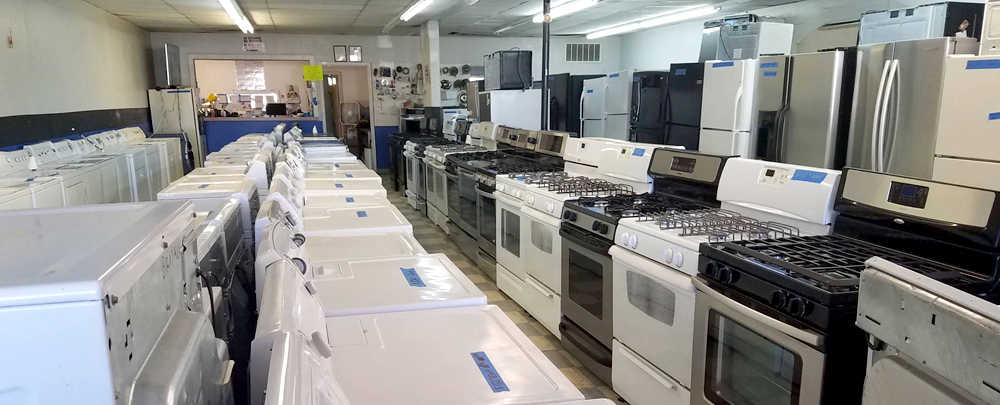

Toronjo Appliances
Appliances
Las Vegas / NV / US
 0 (0)
0 (0)
0 followers
When your major appliances start acting up, it can be a real hassle. But before you rush to call a repair service, let's explore a DIY approach that could save you both time and money. We've got a step-by-step guide to help you tackle common appliance issues like a pro.
Step 1: Safety First
Before you dive into appliance repair, ensure your safety. Always unplug the appliance or shut off its power source. For gas appliances, turn off the gas supply. Safety should always be the top priority.
Step 2: Diagnose the Problem
Don't start fixing something until you know what's wrong. Identify the issue by observing the appliance's behavior. Is it making strange noises? Is it not heating up? Understanding the problem is crucial for effective repairs.
Step 3: Gather Your Tools
Having the right tools on hand is essential. Basic tools like screwdrivers, pliers, a multimeter, and replacement parts specific to your appliance can be a big help.
Step 4: Consult the Manual
Most appliances come with a user manual that includes troubleshooting tips and diagrams. Consult the manual to understand the inner workings of your appliance and get guidance on common issues.
Step 5: Search for Online Resources
The internet is a treasure trove of appliance repair guides and tutorials. Websites and forums often have solutions for common problems. Be sure to check reliable sources for accurate information.
Step 6: Start with Simple Fixes
Begin with the simplest solutions. Sometimes, cleaning or tightening a loose part can resolve the issue. For example, a clogged filter or a loose belt might be the culprit.
Step 7: Disassembly and Inspection
If the problem persists, it may be necessary to disassemble the appliance (following safety guidelines) to inspect the internal components. Look for damaged or worn-out parts that may need replacement.
Step 8: Replace Faulty Parts
When you identify a faulty component, replace it with a new one. Ensure you have the correct replacement part, and follow any installation instructions provided.
Step 9: Reassemble and Test
Carefully reassemble the appliance, making sure all parts are securely in place. Plug it in, turn on the power, and test it to see if the issue is resolved.
Step 10: Know When to Call a Pro
While DIY repairs can save you money, it's essential to recognize when a problem is beyond your expertise. Some issues, especially with complex appliances, may require professional assistance. Don't hesitate to call in an expert if needed.
Step 11: Preventive Maintenance
After your successful repair, consider preventive maintenance to extend your appliance's lifespan. Regular cleaning and inspection can help prevent future issues.
In conclusion, major appliance repair doesn't always have to be a daunting task. With the right tools, knowledge, and a methodical approach, you can tackle common issues and save time and money. Just remember, safety comes first, and if a problem seems too complex, it's wise to seek professional help. Happy repairing!
Step 1: Safety First
Before you dive into appliance repair, ensure your safety. Always unplug the appliance or shut off its power source. For gas appliances, turn off the gas supply. Safety should always be the top priority.
Step 2: Diagnose the Problem
Don't start fixing something until you know what's wrong. Identify the issue by observing the appliance's behavior. Is it making strange noises? Is it not heating up? Understanding the problem is crucial for effective repairs.
Step 3: Gather Your Tools
Having the right tools on hand is essential. Basic tools like screwdrivers, pliers, a multimeter, and replacement parts specific to your appliance can be a big help.
Step 4: Consult the Manual
Most appliances come with a user manual that includes troubleshooting tips and diagrams. Consult the manual to understand the inner workings of your appliance and get guidance on common issues.
Step 5: Search for Online Resources
The internet is a treasure trove of appliance repair guides and tutorials. Websites and forums often have solutions for common problems. Be sure to check reliable sources for accurate information.
Step 6: Start with Simple Fixes
Begin with the simplest solutions. Sometimes, cleaning or tightening a loose part can resolve the issue. For example, a clogged filter or a loose belt might be the culprit.
Step 7: Disassembly and Inspection
If the problem persists, it may be necessary to disassemble the appliance (following safety guidelines) to inspect the internal components. Look for damaged or worn-out parts that may need replacement.
Step 8: Replace Faulty Parts
When you identify a faulty component, replace it with a new one. Ensure you have the correct replacement part, and follow any installation instructions provided.
Step 9: Reassemble and Test
Carefully reassemble the appliance, making sure all parts are securely in place. Plug it in, turn on the power, and test it to see if the issue is resolved.
Step 10: Know When to Call a Pro
While DIY repairs can save you money, it's essential to recognize when a problem is beyond your expertise. Some issues, especially with complex appliances, may require professional assistance. Don't hesitate to call in an expert if needed.
Step 11: Preventive Maintenance
After your successful repair, consider preventive maintenance to extend your appliance's lifespan. Regular cleaning and inspection can help prevent future issues.
In conclusion, major appliance repair doesn't always have to be a daunting task. With the right tools, knowledge, and a methodical approach, you can tackle common issues and save time and money. Just remember, safety comes first, and if a problem seems too complex, it's wise to seek professional help. Happy repairing!
1 Likes
