

Peninsula Natural Health Center
Mediсal & Health
Gig Harbor / WA / US
 0 (0)
0 (0)
0 followers
In today's fast-paced world, stress and anxiety pose significant challenges. Before the pandemic, approximately 3.6% of the global population grappled with anxiety disorders. Unfortunately, recent years have witnessed an escalation in these rates, with certain populations potentially experiencing a threefold increase, according to some studies.
Given the prevalence of stress and anxiety, exploring non-pharmaceutical approaches is valuable. Research indicates that specific dietary patterns and foods can mitigate the stress hormone cortisol and enhance our stress response, contributing to an overall calming effect on the nervous system.
As with many natural or integrative treatments, it's essential to recognize that the benefits of dietary strategies and foods may take time to manifest fully. Consistently adopting a healthier eating pattern is likely to yield optimal results in countering or reducing stress.
Embracing a Holistic Dietary Approach
While it may not be the most thrilling recommendation, maintaining a generally healthy diet proves to be the most potent strategy. Prioritizing fruits, vegetables, legumes, and whole grains, with moderate inclusion of lean animal proteins like seafood, poultry, and lean meats, establishes a robust foundation for health. A nutritious diet ensures the body receives the necessary nutrients for optimal physical and mental functioning.
Global Concerns: The Impact of Ultra-Processed Foods
Regrettably, the widespread adoption of the standard American diet, extending beyond the United States, leans heavily towards ultra-processed foods. These items undergo industrial transformations and often contain additives to enhance taste, appearance, or texture. Examples encompass soft drinks, packaged snacks, candy, ice cream, pastries, snack crackers, and certain bread types. Notably, these foods are typically high in sugar and lack crucial micronutrients vital for mental health, such as folate, vitamin B12, and zinc.
While data on worldwide ultra-processed food consumption is incomplete, it raises alarms. In the United States and the United Kingdom, over half of all consumed calories originate from ultra-processed foods. Other nations, including Malaysia, Japan, Australia, and Lebanon, trail closely with consumption levels around 40%.
Eating ultra-processed foods heightens the risk of obesity, heart disease, diabetes, and other health issues. As these risks surge, so does abdominal fat, associated with increased cortisol production. Elevated cortisol intensifies the stress response, potentially reducing stress tolerance.
This detrimental cycle is compounded as heightened cortisol triggers increased hunger and calorie intake, further contributing to obesity and associated health problems. Breaking this cycle necessitates an overall dietary improvement.
Foods with Nervous System-Calming Potential
Beyond fundamental dietary strategies, specific foods stand out for their potential in reducing stress and calming the nervous system. These foods have demonstrated the ability to lower cortisol levels when integrated into a regular diet.
1. Probiotics and Probiotic Foods
Robust research supports the impact of probiotics on cortisol and stress levels. While findings vary across probiotics and studies, there's evidence suggesting that probiotics and probiotic foods can enhance stress tolerance, alleviate anxiety, and reduce cortisol levels. Recent studies observed a reduction in depression and anxiety, along with improved sleep, in healthy adults supplementing with probiotics. College students experienced a decrease in test anxiety with probiotic supplementation.
Given the additional benefits associated with probiotics, incorporating fermented foods like real sauerkraut, kefir, kombucha, kimchi, pickles, natto, tempeh, and miso can contribute to nervous system calming. However, it's important to note that many store-bought pickles and sauerkraut no longer undergo fermentation. Authentic fermented versions are typically found in the refrigerated section.
Although yogurt is also fermented, commercial varieties are often highly processed and laden with sugar. If dairy is well-tolerated, opting for unsweetened yogurt and adding fresh fruit is advisable.
2. Foods High in Omega-3 Fats
Considering the brain's composition, rich in fats, particularly omega-3 fatty acids, maintaining a regular supply is crucial. Omega-3 fats, susceptible to damage, require consistent consumption. Evidence on the benefits of fish oil, a prevalent omega-3 source, suggests positive effects on both depression and anxiety. Recent meta-analyses propose a modest antidepressant benefit from fish oil.
Similar advantages are indicated for anxiety, with studies suggesting that fish oil, especially in doses exceeding two grams daily, may improve anxiety disorders. Mechanisms include anti-inflammatory effects, increased brain-cell growth factors, cortisol reduction, stress alleviation, and changes in heart-rate variability, indicating a more relaxed mental-emotional state.
Consuming omega-3-rich foods such as wild-caught fish, omega-3-enriched eggs, or fish oil supplements can potentially enhance mental health and soothe the nervous system. While plant sources like walnuts, flax seeds, chia, hemp, and others may offer benefits, evidence is stronger for omega-3 fats from fish and seafood.
3. Magnesium-Rich Foods
Magnesium plays a pivotal role in the stress response, with low levels exacerbating stress symptoms while stress depletes magnesium. Maintaining sufficient magnesium is crucial for a healthy stress response, especially during periods of stress. Studies correlate psychological stress and symptoms with low magnesium levels. Although evidence quality requires improvement, recent meta-analyses suggest magnesium's potential for anxiety relief.
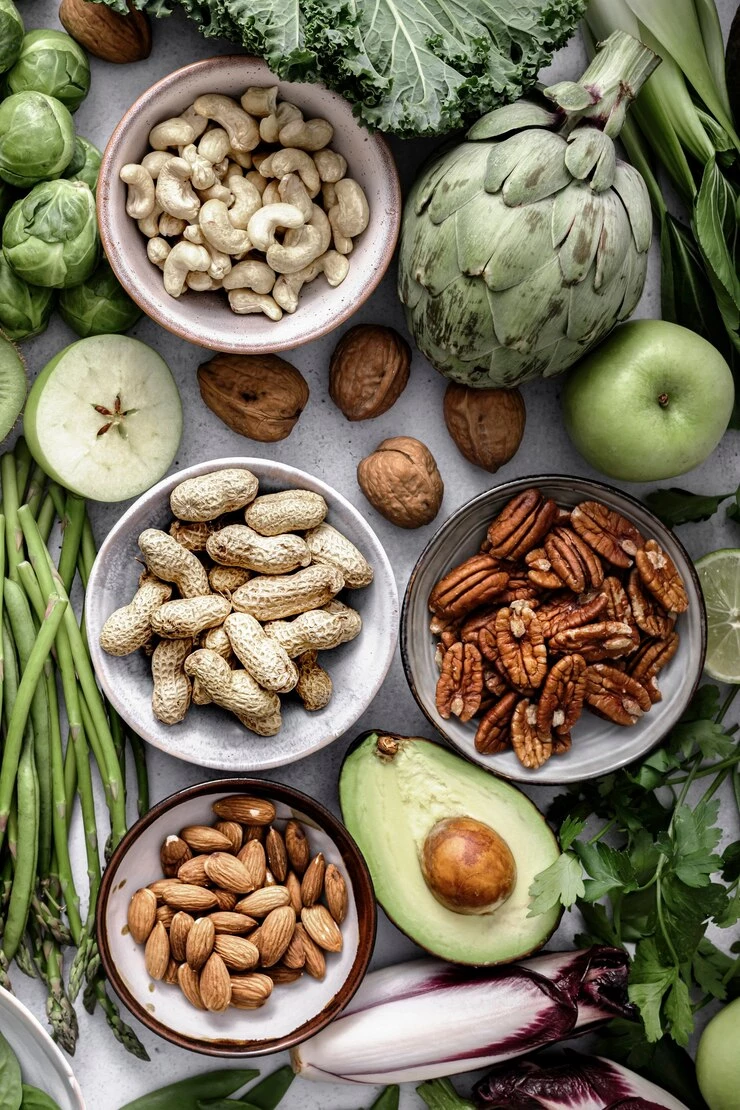
Foods high in magnesium include leafy greens, avocados, nuts, seeds, whole grains, and beans. Notable sources like dark chocolate, hemp seeds, almonds, and pumpkin seeds can contribute to increased magnesium intake, promoting nervous system calming.
In Conclusion
Stress is ubiquitous, but strategic dietary choices can enhance stress resilience and calm the nervous system. Adopting a healthy diet, minimizing processed foods, and incorporating probiotic-rich foods, omega-3-rich foods, and magnesium-rich foods can collectively contribute to stress reduction and overall well-being. With mindful food choices, it is possible to mitigate stress and support holistic health.
Given the prevalence of stress and anxiety, exploring non-pharmaceutical approaches is valuable. Research indicates that specific dietary patterns and foods can mitigate the stress hormone cortisol and enhance our stress response, contributing to an overall calming effect on the nervous system.
As with many natural or integrative treatments, it's essential to recognize that the benefits of dietary strategies and foods may take time to manifest fully. Consistently adopting a healthier eating pattern is likely to yield optimal results in countering or reducing stress.
Embracing a Holistic Dietary Approach
While it may not be the most thrilling recommendation, maintaining a generally healthy diet proves to be the most potent strategy. Prioritizing fruits, vegetables, legumes, and whole grains, with moderate inclusion of lean animal proteins like seafood, poultry, and lean meats, establishes a robust foundation for health. A nutritious diet ensures the body receives the necessary nutrients for optimal physical and mental functioning.
Global Concerns: The Impact of Ultra-Processed Foods
Regrettably, the widespread adoption of the standard American diet, extending beyond the United States, leans heavily towards ultra-processed foods. These items undergo industrial transformations and often contain additives to enhance taste, appearance, or texture. Examples encompass soft drinks, packaged snacks, candy, ice cream, pastries, snack crackers, and certain bread types. Notably, these foods are typically high in sugar and lack crucial micronutrients vital for mental health, such as folate, vitamin B12, and zinc.
While data on worldwide ultra-processed food consumption is incomplete, it raises alarms. In the United States and the United Kingdom, over half of all consumed calories originate from ultra-processed foods. Other nations, including Malaysia, Japan, Australia, and Lebanon, trail closely with consumption levels around 40%.
Eating ultra-processed foods heightens the risk of obesity, heart disease, diabetes, and other health issues. As these risks surge, so does abdominal fat, associated with increased cortisol production. Elevated cortisol intensifies the stress response, potentially reducing stress tolerance.
This detrimental cycle is compounded as heightened cortisol triggers increased hunger and calorie intake, further contributing to obesity and associated health problems. Breaking this cycle necessitates an overall dietary improvement.
Foods with Nervous System-Calming Potential
Beyond fundamental dietary strategies, specific foods stand out for their potential in reducing stress and calming the nervous system. These foods have demonstrated the ability to lower cortisol levels when integrated into a regular diet.
1. Probiotics and Probiotic Foods
Robust research supports the impact of probiotics on cortisol and stress levels. While findings vary across probiotics and studies, there's evidence suggesting that probiotics and probiotic foods can enhance stress tolerance, alleviate anxiety, and reduce cortisol levels. Recent studies observed a reduction in depression and anxiety, along with improved sleep, in healthy adults supplementing with probiotics. College students experienced a decrease in test anxiety with probiotic supplementation.
Given the additional benefits associated with probiotics, incorporating fermented foods like real sauerkraut, kefir, kombucha, kimchi, pickles, natto, tempeh, and miso can contribute to nervous system calming. However, it's important to note that many store-bought pickles and sauerkraut no longer undergo fermentation. Authentic fermented versions are typically found in the refrigerated section.
Although yogurt is also fermented, commercial varieties are often highly processed and laden with sugar. If dairy is well-tolerated, opting for unsweetened yogurt and adding fresh fruit is advisable.
2. Foods High in Omega-3 Fats
Considering the brain's composition, rich in fats, particularly omega-3 fatty acids, maintaining a regular supply is crucial. Omega-3 fats, susceptible to damage, require consistent consumption. Evidence on the benefits of fish oil, a prevalent omega-3 source, suggests positive effects on both depression and anxiety. Recent meta-analyses propose a modest antidepressant benefit from fish oil.
Similar advantages are indicated for anxiety, with studies suggesting that fish oil, especially in doses exceeding two grams daily, may improve anxiety disorders. Mechanisms include anti-inflammatory effects, increased brain-cell growth factors, cortisol reduction, stress alleviation, and changes in heart-rate variability, indicating a more relaxed mental-emotional state.
Consuming omega-3-rich foods such as wild-caught fish, omega-3-enriched eggs, or fish oil supplements can potentially enhance mental health and soothe the nervous system. While plant sources like walnuts, flax seeds, chia, hemp, and others may offer benefits, evidence is stronger for omega-3 fats from fish and seafood.
3. Magnesium-Rich Foods
Magnesium plays a pivotal role in the stress response, with low levels exacerbating stress symptoms while stress depletes magnesium. Maintaining sufficient magnesium is crucial for a healthy stress response, especially during periods of stress. Studies correlate psychological stress and symptoms with low magnesium levels. Although evidence quality requires improvement, recent meta-analyses suggest magnesium's potential for anxiety relief.
Foods high in magnesium include leafy greens, avocados, nuts, seeds, whole grains, and beans. Notable sources like dark chocolate, hemp seeds, almonds, and pumpkin seeds can contribute to increased magnesium intake, promoting nervous system calming.
In Conclusion
Stress is ubiquitous, but strategic dietary choices can enhance stress resilience and calm the nervous system. Adopting a healthy diet, minimizing processed foods, and incorporating probiotic-rich foods, omega-3-rich foods, and magnesium-rich foods can collectively contribute to stress reduction and overall well-being. With mindful food choices, it is possible to mitigate stress and support holistic health.
0 Likes
