
Monroe Electrology
Beauty
Puyallup / WA / US
 0 (0)
0 (0)
0 followers
Recognizing Red Flags in Hair Removal Treatment
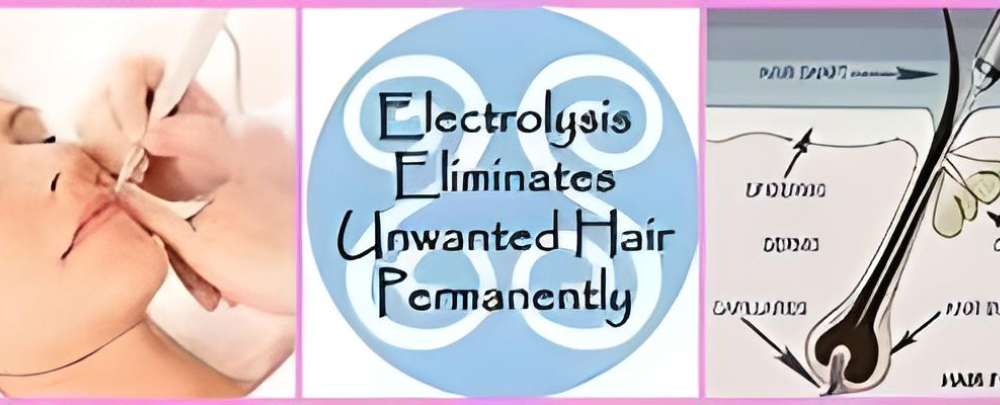
When seeking permanent hair removal, the electrologist must target the lower two-thirds of the follicle and the root (papilla) to ensure effective results. Correctly confined current application protects surface tissue while treating the follicle. Improper insertions may lead to bruising or small blood drops, and incorrect settings can cause scabs and eventual scarring of the epidermis. Electrology demands precision and professionalism, requiring a skilled practitioner in a sanitary environment.
Many claim to use Electrology or the Blend, but some employ Thermolysis only. The lack of accredited/certified schools in Washington contributes to the confusion. Safety lies in the hands of a certified electrologist following strict health standards, utilizing disposable probes, and sterile forceps, and maintaining a sanitary practice.
Addressing Common Concerns:
Is Electrolysis Painful?
Varies among individuals and body areas. Sensations range from warmth to a slight sting. Topical anesthetics are available for added comfort.
Is Electrolysis Permanent?
Yes, it is FDA-approved and the sole method recognized as safe and permanent by the medical profession. Other hair removal methods offer temporary relief, and laser hair removal is not considered permanent by FDA standards.
How Long Does the Process Take?
Factors like hair growth, previous treatments, and medical history influence the treatment duration, discussed during a consultation.
What Areas Can Be Treated?
Nearly all areas except deep inside the ear or nose. Specific areas should be discussed before scheduling.
What Causes Unwanted Hair Growth?
Primarily heredity, with additional factors like illness, operations, glandular issues, and medication. Electrology can address unwanted hair regardless of the cause.
Coping with Hair Growth Between Treatments:
Suggests scissor-cutting rather than waxing, depilatories, or tweezing to maintain enough hair for treatment.
Concerns About After Effects:
When performed properly, minimal after-effects like slight redness or bumps may occur, quickly fading after treatment. Maintain cleanliness, avoid touching, and consider ice for relief.
Choosing a qualified electrologist ensures a safe and effective journey toward permanent hair removal.
When seeking permanent hair removal, the electrologist must target the lower two-thirds of the follicle and the root (papilla) to ensure effective results. Correctly confined current application protects surface tissue while treating the follicle. Improper insertions may lead to bruising or small blood drops, and incorrect settings can cause scabs and eventual scarring of the epidermis. Electrology demands precision and professionalism, requiring a skilled practitioner in a sanitary environment.
Many claim to use Electrology or the Blend, but some employ Thermolysis only. The lack of accredited/certified schools in Washington contributes to the confusion. Safety lies in the hands of a certified electrologist following strict health standards, utilizing disposable probes, and sterile forceps, and maintaining a sanitary practice.
Addressing Common Concerns:
Is Electrolysis Painful?
Varies among individuals and body areas. Sensations range from warmth to a slight sting. Topical anesthetics are available for added comfort.
Is Electrolysis Permanent?
Yes, it is FDA-approved and the sole method recognized as safe and permanent by the medical profession. Other hair removal methods offer temporary relief, and laser hair removal is not considered permanent by FDA standards.
How Long Does the Process Take?
Factors like hair growth, previous treatments, and medical history influence the treatment duration, discussed during a consultation.
What Areas Can Be Treated?
Nearly all areas except deep inside the ear or nose. Specific areas should be discussed before scheduling.
What Causes Unwanted Hair Growth?
Primarily heredity, with additional factors like illness, operations, glandular issues, and medication. Electrology can address unwanted hair regardless of the cause.
Coping with Hair Growth Between Treatments:
Suggests scissor-cutting rather than waxing, depilatories, or tweezing to maintain enough hair for treatment.
Concerns About After Effects:
When performed properly, minimal after-effects like slight redness or bumps may occur, quickly fading after treatment. Maintain cleanliness, avoid touching, and consider ice for relief.
Choosing a qualified electrologist ensures a safe and effective journey toward permanent hair removal.
0 Likes
