
Shipowick-Smith Counseling
Mental Health Services
Wenatchee / WA / US
 0 (0)
0 (0)
0 followers
Debunking 12 Myths of Drug and Alcohol Addiction
If you've encountered drug and alcohol addiction, either personally or through a loved one, you've likely encountered a variety of opinions. Unfortunately, societal views on addiction are often steeped in shame and misinformation, perpetuating myths that can hinder treatment and recovery efforts. Let's explore 12 common myths surrounding drug and alcohol addiction and shed light on a more accurate perspective.
1. All Addicts are the Same:
- Reality: Every individual is unique, and generalizations about all addicts being the same oversimplify a complex issue.
2. Addiction is a Disease:
- Reality: The classification of addiction as a disease is still debated. It's not universally proven, and individuals may have varying perspectives on its nature.
3. Most People Fail in Treatment:
- Reality: Contrary to common belief, a significant number of people succeed in treatment, with success rates around 90% for alcohol and even higher for other substances.
4. Success is Lifelong Abstinence/Perfection:
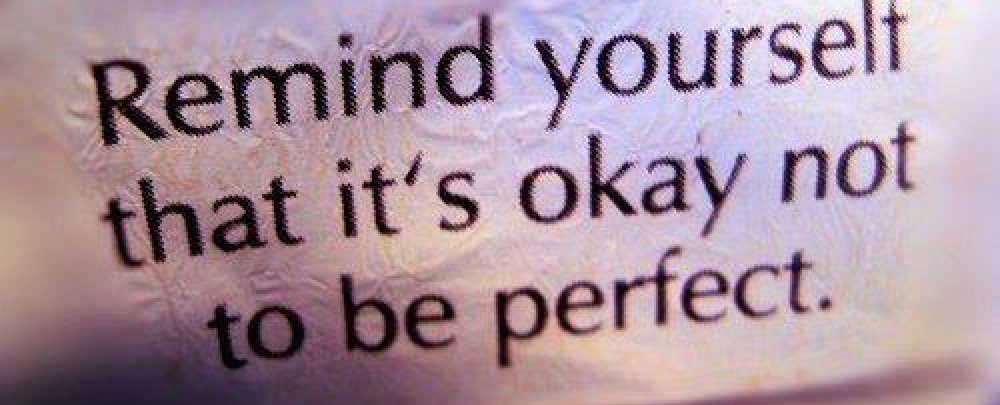
- Reality: Success in recovery is about progress, not perfection. Expecting lifelong perfection is unrealistic and not a standard applied to other aspects of life.
5. Shame and Confrontation are Essential to Change:
- Reality: Negative emotions like shame and confrontation can be counterproductive. Positive and supportive approaches are often more effective in facilitating change.
6. People Must Accept the Label ‘Addict/Alcoholic’:
- Reality: Forcing labels can be detrimental. The DSM-5 has moved away from the term 'addiction,' and the label 'alcoholic' has been reconsidered for its negative impact.
7. Moderation Never Works:
- Reality: Research indicates that approximately half of those who successfully recover find success through moderation rather than strict abstinence.
8. Cross Addiction:
- Reality: The concept of 'cross addiction,' where issues with one drug lead to addiction to others, lacks solid evidence. Gradualism, or harm reduction, is better supported.
9. Addictive Personality:
- Reality: There is no conclusive evidence for a specific addictive personality type, challenging the persistence of this myth.
10. Powerlessness:
- Reality: The idea of complete powerlessness contradicts the capacity for willpower, essential for recovery and sustained change.
11. Can’t Recover without God:
- Reality: While spirituality can aid some in recovery, it is not universally essential. Recovery paths may vary based on individual beliefs.
12. People Will Be In Recovery for Life:
- Reality: Recovery doesn't necessarily equate to a lifelong commitment to meetings. Many individuals successfully recover and move forward with their lives.
Understanding the emotional nature of substance use, it's crucial to challenge these myths and foster a compassionate and informed environment. By dispelling misinformation, we can better support those in need and on the journey of recovery.
If you've encountered drug and alcohol addiction, either personally or through a loved one, you've likely encountered a variety of opinions. Unfortunately, societal views on addiction are often steeped in shame and misinformation, perpetuating myths that can hinder treatment and recovery efforts. Let's explore 12 common myths surrounding drug and alcohol addiction and shed light on a more accurate perspective.
1. All Addicts are the Same:
- Reality: Every individual is unique, and generalizations about all addicts being the same oversimplify a complex issue.
2. Addiction is a Disease:
- Reality: The classification of addiction as a disease is still debated. It's not universally proven, and individuals may have varying perspectives on its nature.
3. Most People Fail in Treatment:
- Reality: Contrary to common belief, a significant number of people succeed in treatment, with success rates around 90% for alcohol and even higher for other substances.
4. Success is Lifelong Abstinence/Perfection:
- Reality: Success in recovery is about progress, not perfection. Expecting lifelong perfection is unrealistic and not a standard applied to other aspects of life.
5. Shame and Confrontation are Essential to Change:
- Reality: Negative emotions like shame and confrontation can be counterproductive. Positive and supportive approaches are often more effective in facilitating change.
6. People Must Accept the Label ‘Addict/Alcoholic’:
- Reality: Forcing labels can be detrimental. The DSM-5 has moved away from the term 'addiction,' and the label 'alcoholic' has been reconsidered for its negative impact.
7. Moderation Never Works:
- Reality: Research indicates that approximately half of those who successfully recover find success through moderation rather than strict abstinence.
8. Cross Addiction:
- Reality: The concept of 'cross addiction,' where issues with one drug lead to addiction to others, lacks solid evidence. Gradualism, or harm reduction, is better supported.
9. Addictive Personality:
- Reality: There is no conclusive evidence for a specific addictive personality type, challenging the persistence of this myth.
10. Powerlessness:
- Reality: The idea of complete powerlessness contradicts the capacity for willpower, essential for recovery and sustained change.
11. Can’t Recover without God:
- Reality: While spirituality can aid some in recovery, it is not universally essential. Recovery paths may vary based on individual beliefs.
12. People Will Be In Recovery for Life:
- Reality: Recovery doesn't necessarily equate to a lifelong commitment to meetings. Many individuals successfully recover and move forward with their lives.
Understanding the emotional nature of substance use, it's crucial to challenge these myths and foster a compassionate and informed environment. By dispelling misinformation, we can better support those in need and on the journey of recovery.
0 Likes
