

AC Experts
Appliances
Tempe / AZ / US
 0 (0)
0 (0)
0 followers
Cooling the Future: Innovations in Air Conditioning Technology
The air conditioning industry is experiencing a technological revolution, marked by innovations aimed at increasing efficiency, reducing environmental impact, and enhancing user experience. This update explores the latest advancements in air conditioning technology and their implications.
1. Eco-Friendly Refrigerants
The shift to eco-friendly refrigerants is a major advancement. Newer models use refrigerants with a lower Global Warming Potential (GWP), reducing their impact on the environment compared to traditional refrigerants like Freon.
2. Smart Air Conditioning Systems
The integration of smart technology in air conditioning systems is a game-changer. These systems can be controlled remotely through smartphones, allowing users to adjust settings for optimal comfort and efficiency. They also learn user preferences and adjust automatically.
3. Solar-Powered Air Conditioning
Solar-powered air conditioning units are gaining popularity. These systems utilize solar energy, significantly reducing electricity consumption and offering a sustainable cooling solution.
4. Thermal Energy Storage
Thermal energy storage is an emerging trend. It involves storing cooled air or chilled water during off-peak hours (usually at night) and using it during peak hours, leading to energy savings and reduced operational costs.
5. Geothermal Cooling Systems
Geothermal cooling utilizes the earth's constant underground temperature to cool homes and buildings. This system is highly efficient and environmentally friendly, offering a significant reduction in energy use and greenhouse gas emissions.
6. Variable Speed Technology
Modern air conditioners are equipped with variable speed technology. This allows compressors and fans to operate at different speeds, providing more precise temperature control and reducing energy consumption.
These technological advancements are not just improving the efficiency and environmental friendliness of air conditioning systems; they are also reshaping the user experience, offering more control, convenience, and comfort. As these technologies continue to evolve, they will play a crucial role in shaping the future of home and commercial cooling.
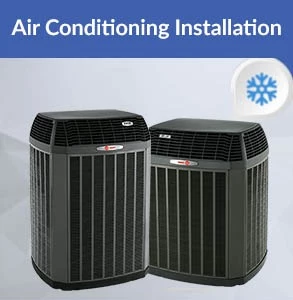
The air conditioning industry is experiencing a technological revolution, marked by innovations aimed at increasing efficiency, reducing environmental impact, and enhancing user experience. This update explores the latest advancements in air conditioning technology and their implications.
1. Eco-Friendly Refrigerants
The shift to eco-friendly refrigerants is a major advancement. Newer models use refrigerants with a lower Global Warming Potential (GWP), reducing their impact on the environment compared to traditional refrigerants like Freon.
2. Smart Air Conditioning Systems
The integration of smart technology in air conditioning systems is a game-changer. These systems can be controlled remotely through smartphones, allowing users to adjust settings for optimal comfort and efficiency. They also learn user preferences and adjust automatically.
3. Solar-Powered Air Conditioning
Solar-powered air conditioning units are gaining popularity. These systems utilize solar energy, significantly reducing electricity consumption and offering a sustainable cooling solution.
4. Thermal Energy Storage
Thermal energy storage is an emerging trend. It involves storing cooled air or chilled water during off-peak hours (usually at night) and using it during peak hours, leading to energy savings and reduced operational costs.
5. Geothermal Cooling Systems
Geothermal cooling utilizes the earth's constant underground temperature to cool homes and buildings. This system is highly efficient and environmentally friendly, offering a significant reduction in energy use and greenhouse gas emissions.
6. Variable Speed Technology
Modern air conditioners are equipped with variable speed technology. This allows compressors and fans to operate at different speeds, providing more precise temperature control and reducing energy consumption.
These technological advancements are not just improving the efficiency and environmental friendliness of air conditioning systems; they are also reshaping the user experience, offering more control, convenience, and comfort. As these technologies continue to evolve, they will play a crucial role in shaping the future of home and commercial cooling.
1 Likes
