
Taylored Charcuterie
Food
Phoenix / AZ / US
 0 (0)
0 (0)
0 followers
The Art of Charcuterie: A Creative Culinary Exploration
Charcuterie, the craft of preparing and assembling cured meats and other accompaniments, is a culinary art form that combines flavor, texture, and presentation. This creative spotlight delves into the world of charcuterie, showcasing its versatility and the creativity it inspires in both chefs and enthusiasts.
The Origins of Charcuterie
Originally a method to preserve meats before the advent of refrigeration, charcuterie has evolved into a sophisticated culinary practice. It originated in France, where skilled charcutiers developed an array of techniques to cure meats.
The Components of a Charcuterie Board
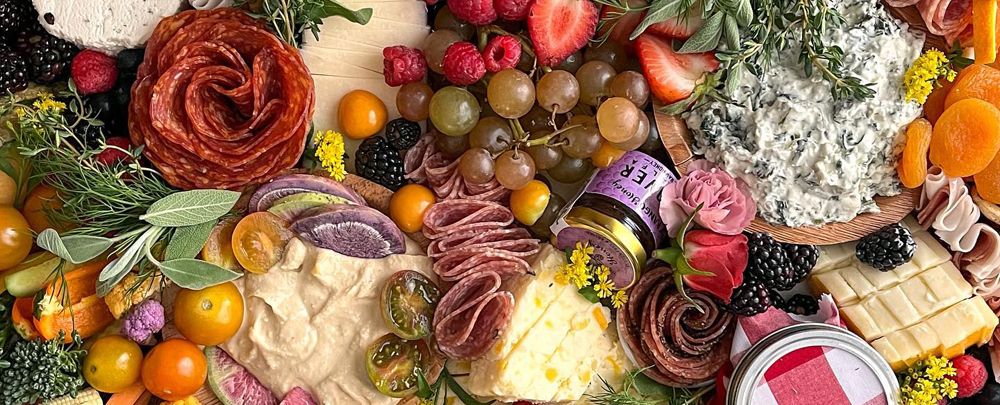
A typical charcuterie board includes a variety of cured meats like salami, prosciutto, and pâté. Complementary elements like cheeses, fruits, nuts, and breads or crackers are added to create a harmonious blend of flavors and textures.
The Art of Assembly
The true artistry in charcuterie lies in its assembly. Aesthetics are key, with an emphasis on color contrasts, varied textures, and an inviting layout. The arrangement is not just about taste; it's a visual feast, encouraging diners to explore and sample.
Innovative Charcuterie Trends
Modern charcuterie has embraced innovation. Beyond traditional meats, contemporary boards feature vegetarian and vegan options, incorporating plant-based meats and cheeses. There's also a trend of themed boards, tailored for occasions or specific culinary traditions.
Charcuterie as a Social Experience
Charcuterie boards have become a staple for social gatherings, offering a shared dining experience that encourages conversation and interaction. They are perfect for casual get-togethers, elegant parties, or as an appetizer for fine dining.
Charcuterie, the craft of preparing and assembling cured meats and other accompaniments, is a culinary art form that combines flavor, texture, and presentation. This creative spotlight delves into the world of charcuterie, showcasing its versatility and the creativity it inspires in both chefs and enthusiasts.
The Origins of Charcuterie
Originally a method to preserve meats before the advent of refrigeration, charcuterie has evolved into a sophisticated culinary practice. It originated in France, where skilled charcutiers developed an array of techniques to cure meats.
The Components of a Charcuterie Board
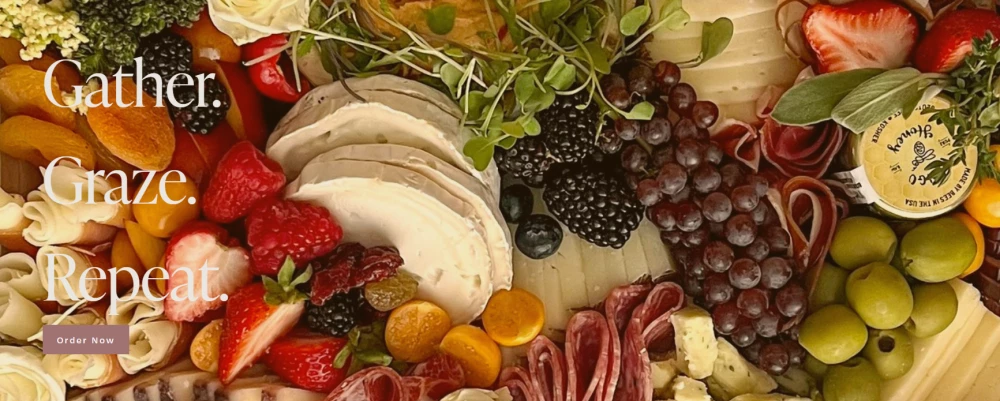
A typical charcuterie board includes a variety of cured meats like salami, prosciutto, and pâté. Complementary elements like cheeses, fruits, nuts, and breads or crackers are added to create a harmonious blend of flavors and textures.
The Art of Assembly
The true artistry in charcuterie lies in its assembly. Aesthetics are key, with an emphasis on color contrasts, varied textures, and an inviting layout. The arrangement is not just about taste; it's a visual feast, encouraging diners to explore and sample.
Innovative Charcuterie Trends
Modern charcuterie has embraced innovation. Beyond traditional meats, contemporary boards feature vegetarian and vegan options, incorporating plant-based meats and cheeses. There's also a trend of themed boards, tailored for occasions or specific culinary traditions.
Charcuterie as a Social Experience
Charcuterie boards have become a staple for social gatherings, offering a shared dining experience that encourages conversation and interaction. They are perfect for casual get-togethers, elegant parties, or as an appetizer for fine dining.
1 Likes
