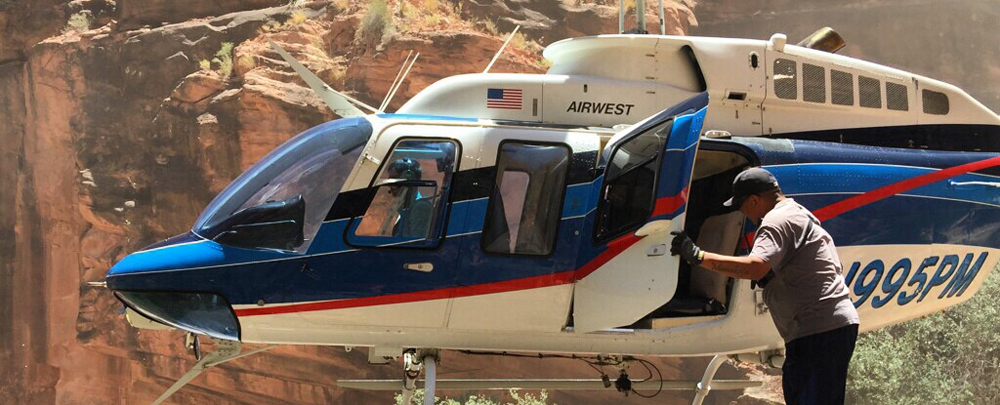
Airwest Helicopters
Moving & Shipping
Glendale / AZ / US
 0 (0)
0 (0)
0 followers
Helicopters: A Comparative Look at Civilian and Military Models
Helicopters, known for their versatility and unique flying capabilities, serve a wide range of purposes in both civilian and military contexts. This comparative analysis delves into the key differences and similarities between civilian and military helicopters, shedding light on their specialized functionalities.
Design and Build
Civilian helicopters are typically designed for efficiency, comfort, and reliability. They are used for purposes such as transportation, emergency medical services, and aerial photography. These helicopters prioritize passenger comfort and are often equipped with amenities like soundproofing and air conditioning.
In contrast, military helicopters are built for durability and performance in challenging environments. They are often equipped with advanced avionics, armor, and sometimes weaponry. Their design prioritizes mission-specific requirements such as stealth, speed, and agility.
Engine Power and Performance
Civilian helicopters generally have less powerful engines compared to their military counterparts. They are designed for shorter, more controlled flights, such as city tours or short-distance transportation.
Military helicopters, on the other hand, are equipped with more powerful engines to handle demanding tasks such as troop transport, combat, or long-range reconnaissance missions. They often have greater speed, range, and payload capacity.
Technology and Avionics
Civilian helicopters are equipped with avionics that focus on navigation and communication for civil airspace. They often feature advanced GPS systems, autopilot, and sometimes traffic collision avoidance systems.
Military helicopters boast cutting-edge technology designed for combat and strategic operations. This includes sophisticated navigation systems, electronic warfare capabilities, and encrypted communication systems.
Safety Features
Safety in civilian helicopters is paramount, with features like emergency floatation systems in case of water landings and advanced weather radar for navigating challenging conditions.
Military helicopters have additional safety features designed for combat scenarios, such as ballistic protection, infrared countermeasures to evade heat-seeking missiles, and crashworthy seats.
While civilian and military helicopters share basic aerodynamic principles and rotorcraft design, they diverge significantly in terms of build, performance, technology, and safety features. Each is tailored to its specific operational needs, reflecting the diverse applications of helicopter technology in modern aviation.

Helicopters, known for their versatility and unique flying capabilities, serve a wide range of purposes in both civilian and military contexts. This comparative analysis delves into the key differences and similarities between civilian and military helicopters, shedding light on their specialized functionalities.
Design and Build
Civilian helicopters are typically designed for efficiency, comfort, and reliability. They are used for purposes such as transportation, emergency medical services, and aerial photography. These helicopters prioritize passenger comfort and are often equipped with amenities like soundproofing and air conditioning.
In contrast, military helicopters are built for durability and performance in challenging environments. They are often equipped with advanced avionics, armor, and sometimes weaponry. Their design prioritizes mission-specific requirements such as stealth, speed, and agility.
Engine Power and Performance
Civilian helicopters generally have less powerful engines compared to their military counterparts. They are designed for shorter, more controlled flights, such as city tours or short-distance transportation.
Military helicopters, on the other hand, are equipped with more powerful engines to handle demanding tasks such as troop transport, combat, or long-range reconnaissance missions. They often have greater speed, range, and payload capacity.
Technology and Avionics
Civilian helicopters are equipped with avionics that focus on navigation and communication for civil airspace. They often feature advanced GPS systems, autopilot, and sometimes traffic collision avoidance systems.
Military helicopters boast cutting-edge technology designed for combat and strategic operations. This includes sophisticated navigation systems, electronic warfare capabilities, and encrypted communication systems.
Safety Features
Safety in civilian helicopters is paramount, with features like emergency floatation systems in case of water landings and advanced weather radar for navigating challenging conditions.
Military helicopters have additional safety features designed for combat scenarios, such as ballistic protection, infrared countermeasures to evade heat-seeking missiles, and crashworthy seats.
While civilian and military helicopters share basic aerodynamic principles and rotorcraft design, they diverge significantly in terms of build, performance, technology, and safety features. Each is tailored to its specific operational needs, reflecting the diverse applications of helicopter technology in modern aviation.
1 Likes
