
Airus Movers
Moving & Shipping
Seattle / WA / US
 0 (0)
0 (0)
0 followers
Mastering the Art of Packing: Safely Moving Your Kitchen Treasures
Moving homes is an adventure, but when it comes to packing up your kitchen, it can feel like navigating a maze of fragile memories. From cherished plates that witnessed countless family dinners to coffee mugs that brightened your mornings, each item needs careful attention to ensure a safe journey to your new abode. Let's explore tried-and-tested methods and essential tools to master the art of packing kitchen items.
Essential Tools Boxes You Need:
Before embarking on the packing journey, gather the necessary tools and boxes to safeguard your kitchen treasures. Here's your checklist:
1. Large Boxes: Perfect for lightweight items such as plastic kitchenware, dish racks, and small gadgets.
2. Medium Boxes: Ideal for heavier items like pantry essentials, pots and pans, utensils, and cookbooks.
3. Heavy-duty Boxes: Reinforced with double walls, these are essential for delicate items like plates, glasses, stemware, and wine collections.
4. Unprinted News-wrap Paper: A must-have for wrapping fragile items, providing a protective layer for food items and dainty appliances.
5. Cell Kits: Specifically designed for wine glasses and bottles, these kits are versatile for figurines, vases, and canisters.
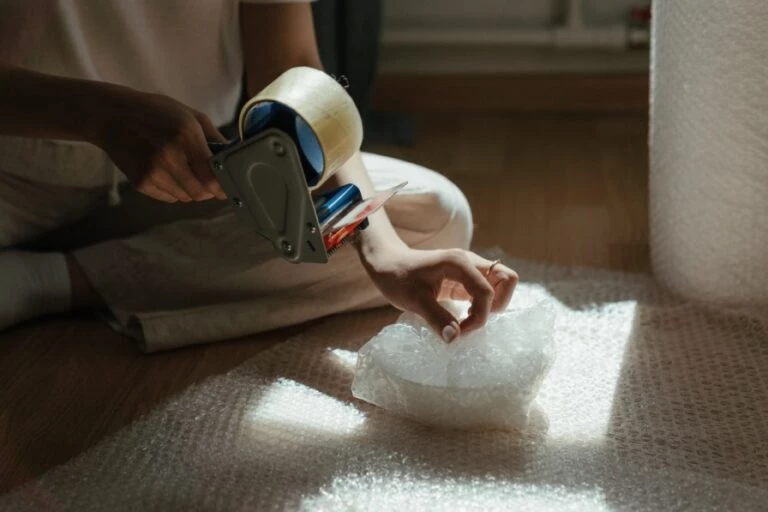
6. Packing Tape and Labels: Stock up on tape for sealing boxes and labels to mark them as "FRAGILE" and specify contents.
Sorting Selecting:
Before packing, carefully sort through your kitchen items. Identify what you'll bring to your new home, and consider donating or organizing a yard sale for items you won't need. Efficiently sorting belongings ensures a smoother transition to your new home.
How to Pack Plates For Moving:
Packing plates requires a delicate touch. Here's a step-by-step guide:
1. Set Up a Packing Station: Clear a large table for your workspace.
2. Lay the Foundation: Cushion the bottom of the box with crumpled packing paper.
3. Wrap with Care: Lay a plate on a stack of packing paper. Fold sheets over the plate until fully covered. Stack up to four plates, secure with tape, and add an extra layer for precious dishes.
4. Place in the Box: Stand wrapped plates on their edge to minimize breakage.
5. Fill Gaps: Prevent shifting during the move by filling empty spaces with crumpled paper.
6. Seal and Mark: Tape the box securely, and label it as "FRAGILE" and "DISHES."
How to Pack Glasses For Moving:
Glassware requires extra care. Follow these steps:
1. Choose the Right Box: Opt for dish pack boxes designed for fragile items.
2. Preparation: Crumple packing paper at the box's bottom for cushioning.
3. The Wrapping Process: Wrap each glass with packing paper, ensuring a secure fit. Layer glasses in the box with cardboard dividers.
4. Fill Gaps: Use packing peanuts or crumpled paper to prevent movement.
5. Finishing Touches: Add an extra layer of crumpled paper, seal the box, and label it as "FRAGILE."
How to Pack Bowls For Moving:
Protect your bowls with these steps:
1. Begin with the Right Carton: Use a dish pack carton of 3.0 grade for sturdiness.
2. Lay the Foundation: Crumple newsprint at the box's bottom for a protective buffer.
3. Wrapping Process: Wrap each bowl in newsprint, nesting them from large to small. Place the nested bowls in the carton with extra cushioning in between sets.
4. Final Touch: Fill any void spaces, seal the box securely, and label it.
In conclusion, successful kitchen packing is an art. With the right tools, systematic approaches, and a bit of patience, you can ensure your kitchen valuables reach your new home intact. Remember, it's the details that make a move successful. Take your time, wrap each item with care, and soon you'll be unpacking and settling into your new space. Safe travels and happy unpacking!
Moving homes is an adventure, but when it comes to packing up your kitchen, it can feel like navigating a maze of fragile memories. From cherished plates that witnessed countless family dinners to coffee mugs that brightened your mornings, each item needs careful attention to ensure a safe journey to your new abode. Let's explore tried-and-tested methods and essential tools to master the art of packing kitchen items.
Essential Tools Boxes You Need:
Before embarking on the packing journey, gather the necessary tools and boxes to safeguard your kitchen treasures. Here's your checklist:
1. Large Boxes: Perfect for lightweight items such as plastic kitchenware, dish racks, and small gadgets.
2. Medium Boxes: Ideal for heavier items like pantry essentials, pots and pans, utensils, and cookbooks.
3. Heavy-duty Boxes: Reinforced with double walls, these are essential for delicate items like plates, glasses, stemware, and wine collections.
4. Unprinted News-wrap Paper: A must-have for wrapping fragile items, providing a protective layer for food items and dainty appliances.
5. Cell Kits: Specifically designed for wine glasses and bottles, these kits are versatile for figurines, vases, and canisters.
6. Packing Tape and Labels: Stock up on tape for sealing boxes and labels to mark them as "FRAGILE" and specify contents.
Sorting Selecting:
Before packing, carefully sort through your kitchen items. Identify what you'll bring to your new home, and consider donating or organizing a yard sale for items you won't need. Efficiently sorting belongings ensures a smoother transition to your new home.
How to Pack Plates For Moving:
Packing plates requires a delicate touch. Here's a step-by-step guide:
1. Set Up a Packing Station: Clear a large table for your workspace.
2. Lay the Foundation: Cushion the bottom of the box with crumpled packing paper.
3. Wrap with Care: Lay a plate on a stack of packing paper. Fold sheets over the plate until fully covered. Stack up to four plates, secure with tape, and add an extra layer for precious dishes.
4. Place in the Box: Stand wrapped plates on their edge to minimize breakage.
5. Fill Gaps: Prevent shifting during the move by filling empty spaces with crumpled paper.
6. Seal and Mark: Tape the box securely, and label it as "FRAGILE" and "DISHES."
How to Pack Glasses For Moving:
Glassware requires extra care. Follow these steps:
1. Choose the Right Box: Opt for dish pack boxes designed for fragile items.
2. Preparation: Crumple packing paper at the box's bottom for cushioning.
3. The Wrapping Process: Wrap each glass with packing paper, ensuring a secure fit. Layer glasses in the box with cardboard dividers.
4. Fill Gaps: Use packing peanuts or crumpled paper to prevent movement.
5. Finishing Touches: Add an extra layer of crumpled paper, seal the box, and label it as "FRAGILE."
How to Pack Bowls For Moving:
Protect your bowls with these steps:
1. Begin with the Right Carton: Use a dish pack carton of 3.0 grade for sturdiness.
2. Lay the Foundation: Crumple newsprint at the box's bottom for a protective buffer.
3. Wrapping Process: Wrap each bowl in newsprint, nesting them from large to small. Place the nested bowls in the carton with extra cushioning in between sets.
4. Final Touch: Fill any void spaces, seal the box securely, and label it.
In conclusion, successful kitchen packing is an art. With the right tools, systematic approaches, and a bit of patience, you can ensure your kitchen valuables reach your new home intact. Remember, it's the details that make a move successful. Take your time, wrap each item with care, and soon you'll be unpacking and settling into your new space. Safe travels and happy unpacking!
0 Likes
