

Kirkland Psychotherapy
Mental Health Services
Kirkland / WA / US
 0 (0)
0 (0)
0 followers
Navigating Life's Waves: A Guide to Tackling Anxiety with Grace
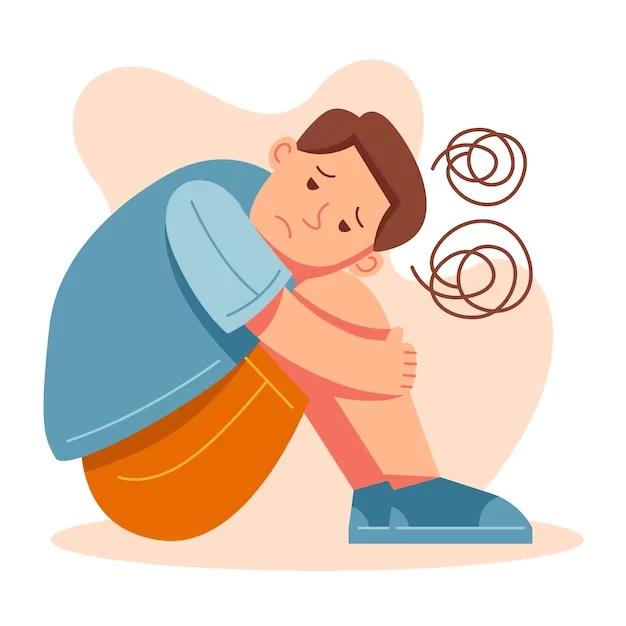
Hey there, friend! Let's talk about something we've all experienced at some point—good ol' anxiety. It's that jittery feeling when life throws challenges, uncertainties, or curveballs our way. Anxiety, with its sidekicks worry, tension, and confusion, can be a real head-scratcher. We fret about relationships, workload, plans, job security, finances, and even our confidence.
Now, anxiety isn't all bad; it's like our mental superhero, making sure we stay alert and focused in the face of life's risks. It's our body's way of saying, "Hey, something needs attention here!" So, how can we turn this anxious energy into a force for good?
1. The Anxious Mind: A Symphony of Worries
Ever find yourself on the anxiety train worrying about social events, public speaking, what others think, or being away from loved ones? It's a common ride we all take. But here's the thing—worrying is only helpful if it leads to positive change. Otherwise, it can become a loop of overthinking, seeking reassurance, fixating on minor details, and delaying decisions.
2. Anxiety Management 101: Taking Control
Anxiety loves the unpredictable and the uncontrollable. If the source of anxiety is beyond your crystal ball's prediction or control, it tends to linger longer and become a tough cookie to crumble. Hours of worrying, imagining worst-case scenarios and online scrolling for opinions rarely give us the complete control we crave.
Instead, it leads to a not-so-fun cocktail of unhappiness, fatigue, insomnia, strained relationships, health issues, and work performance blues. That's where healthy coping skills come to the rescue. Identifying problems, recognizing unhelpful thought patterns, and learning new actions are the tools we need.
3. The Power of Perspective: Asking the Right Questions
Ever get stuck in a mental loop, unsure how to break free? Start by asking yourself some key questions: What's my current situation? (e.g., Too much workload causing anxiety about deadlines) What do I want this situation to be? (e.g., Prioritize workload after discussing it with the boss) What's the obstacle holding me back? (e.g., Uncertain how to talk to the boss about work duties)
Remember, a well-stated problem is halfway solved.
4. Acceptance and Growth: Embracing Life's Challenges
Challenges aren't roadblocks but opportunities to learn and refocus on life's essentials. Anxiety can make even simple tasks seem daunting, sapping our motivation. Journaling thoughts and moods can reveal unhelpful patterns, allowing us to analyze failures constructively and gently accept life's unfolding moments.
Make an action plan, talk to someone who understands your fears, challenge your beliefs, and gain new perspectives. Recognize what's in your control and what isn't. Your perspective can be a powerful ally or a limiting factor. Once aware of limiting thoughts, reframe them to be more balanced.
5. Tools for the Anxiety Toolbox: Mindfulness and More
Managing anxiety isn't one-size-fits-all. Different strokes for different folks, as they say. Experiment with various strategies to find what works for you. Techniques like mindfulness, deep breathing, and positive reframing are practical tools for the anxiety toolbox. And hey, seeking professional counseling or leaning on a supportive network isn't a weakness—it's a strength.
In conclusion, embracing the ebb and flow of anxiety in our daily lives requires a multifaceted approach rooted in self-awareness and proactive coping mechanisms. By integrating these strategies into our daily routines, we can navigate the complexities of anxiety with a greater sense of control and well-being. So, here's to sail smoothly through life's waves, anxiety, and all!
image credit : freepik
Hey there, friend! Let's talk about something we've all experienced at some point—good ol' anxiety. It's that jittery feeling when life throws challenges, uncertainties, or curveballs our way. Anxiety, with its sidekicks worry, tension, and confusion, can be a real head-scratcher. We fret about relationships, workload, plans, job security, finances, and even our confidence.
Now, anxiety isn't all bad; it's like our mental superhero, making sure we stay alert and focused in the face of life's risks. It's our body's way of saying, "Hey, something needs attention here!" So, how can we turn this anxious energy into a force for good?
1. The Anxious Mind: A Symphony of Worries
Ever find yourself on the anxiety train worrying about social events, public speaking, what others think, or being away from loved ones? It's a common ride we all take. But here's the thing—worrying is only helpful if it leads to positive change. Otherwise, it can become a loop of overthinking, seeking reassurance, fixating on minor details, and delaying decisions.
2. Anxiety Management 101: Taking Control
Anxiety loves the unpredictable and the uncontrollable. If the source of anxiety is beyond your crystal ball's prediction or control, it tends to linger longer and become a tough cookie to crumble. Hours of worrying, imagining worst-case scenarios and online scrolling for opinions rarely give us the complete control we crave.
Instead, it leads to a not-so-fun cocktail of unhappiness, fatigue, insomnia, strained relationships, health issues, and work performance blues. That's where healthy coping skills come to the rescue. Identifying problems, recognizing unhelpful thought patterns, and learning new actions are the tools we need.
3. The Power of Perspective: Asking the Right Questions
Ever get stuck in a mental loop, unsure how to break free? Start by asking yourself some key questions: What's my current situation? (e.g., Too much workload causing anxiety about deadlines) What do I want this situation to be? (e.g., Prioritize workload after discussing it with the boss) What's the obstacle holding me back? (e.g., Uncertain how to talk to the boss about work duties)
Remember, a well-stated problem is halfway solved.
4. Acceptance and Growth: Embracing Life's Challenges
Challenges aren't roadblocks but opportunities to learn and refocus on life's essentials. Anxiety can make even simple tasks seem daunting, sapping our motivation. Journaling thoughts and moods can reveal unhelpful patterns, allowing us to analyze failures constructively and gently accept life's unfolding moments.
Make an action plan, talk to someone who understands your fears, challenge your beliefs, and gain new perspectives. Recognize what's in your control and what isn't. Your perspective can be a powerful ally or a limiting factor. Once aware of limiting thoughts, reframe them to be more balanced.
5. Tools for the Anxiety Toolbox: Mindfulness and More
Managing anxiety isn't one-size-fits-all. Different strokes for different folks, as they say. Experiment with various strategies to find what works for you. Techniques like mindfulness, deep breathing, and positive reframing are practical tools for the anxiety toolbox. And hey, seeking professional counseling or leaning on a supportive network isn't a weakness—it's a strength.
In conclusion, embracing the ebb and flow of anxiety in our daily lives requires a multifaceted approach rooted in self-awareness and proactive coping mechanisms. By integrating these strategies into our daily routines, we can navigate the complexities of anxiety with a greater sense of control and well-being. So, here's to sail smoothly through life's waves, anxiety, and all!
image credit : freepik
0 Likes
