Chief Antique Restorations
Arts
Las Vegas / NV / US
 0 (0)
0 (0)
0 followers
Reviving the Past: The Art and Significance of Antique Restorations
Writer: Elijah Green
Antique restorations, a practice as timeless as the artifacts it preserves, offers a window into the past, allowing us to connect with history in a tangible way. This reflective piece explores the art of antique restorations and its importance in preserving our cultural heritage.
Understanding Antiques:
Antiques are not merely old objects; they are stories, embodiments of the eras they hail from. Restorers are like historians, deciphering these tales, understanding the context in which these items were made, and the lives they might have touched.
The Restoration Process:
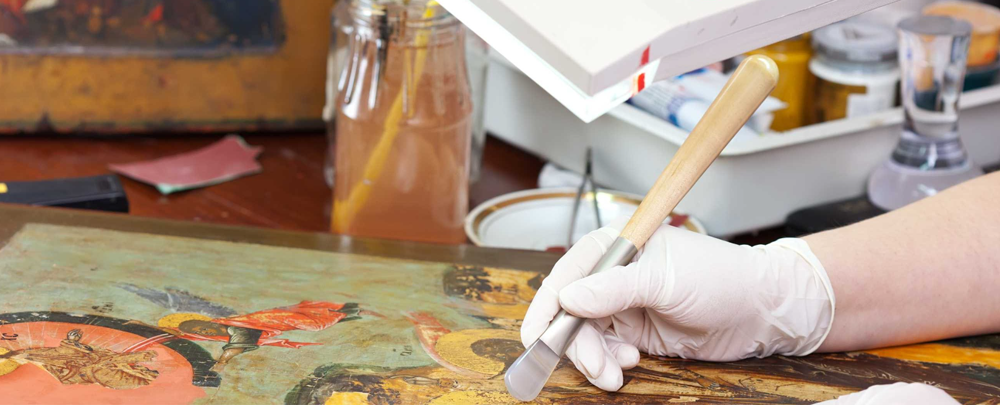
Restoration is a delicate balance between preservation and renewal. It requires a deep understanding of materials, techniques, and historical accuracy. The goal is to repair and preserve without erasing the marks of time that give antiques their character.
Ethical Considerations:
There's an ethical dimension to antique restoration. It's about respecting the original craftsmanship and not over-restoring an item to the point that it loses its historical integrity.
Cultural Significance:
By restoring antiques, restorers play a crucial role in preserving cultural heritage. Each restored piece offers insights into the past, teaching us about the craftsmanship, artistry, and everyday life of earlier times.
Conclusion:
Antique restoration is more than a craft; it's a bridge to the past, a means of keeping history alive. Through their work, restorers ensure that the beauty and stories of the past continue to enlighten and inspire future generations.
Writer: Elijah Green
Antique restorations, a practice as timeless as the artifacts it preserves, offers a window into the past, allowing us to connect with history in a tangible way. This reflective piece explores the art of antique restorations and its importance in preserving our cultural heritage.
Understanding Antiques:
Antiques are not merely old objects; they are stories, embodiments of the eras they hail from. Restorers are like historians, deciphering these tales, understanding the context in which these items were made, and the lives they might have touched.
The Restoration Process:
Restoration is a delicate balance between preservation and renewal. It requires a deep understanding of materials, techniques, and historical accuracy. The goal is to repair and preserve without erasing the marks of time that give antiques their character.
Ethical Considerations:
There's an ethical dimension to antique restoration. It's about respecting the original craftsmanship and not over-restoring an item to the point that it loses its historical integrity.
Cultural Significance:
By restoring antiques, restorers play a crucial role in preserving cultural heritage. Each restored piece offers insights into the past, teaching us about the craftsmanship, artistry, and everyday life of earlier times.
Conclusion:
Antique restoration is more than a craft; it's a bridge to the past, a means of keeping history alive. Through their work, restorers ensure that the beauty and stories of the past continue to enlighten and inspire future generations.
1 Likes
