
Studio Spaceup
IT/Technology
San Diego / CA / US
 0 (0)
0 (0)
0 followers
Current Landscape
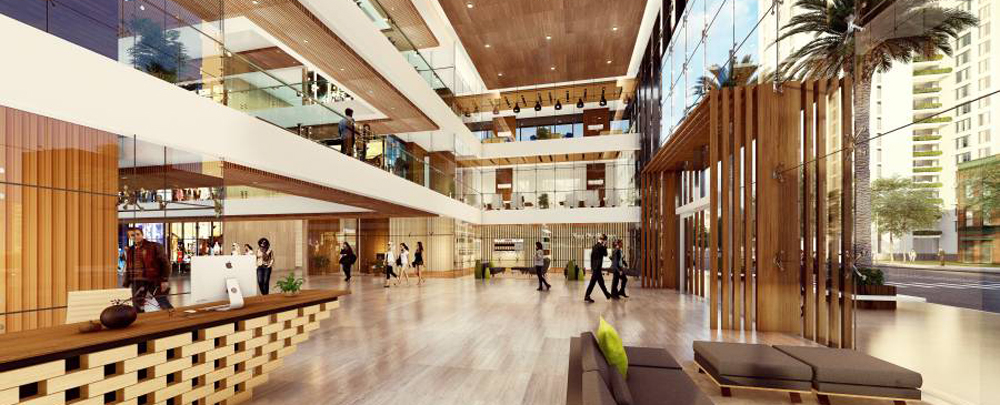
Currently, 3D visualization is heavily employed in architecture, gaming, film, and product design. Advanced software allows for stunningly realistic renders, giving life to concepts and ideas before they materialize. Virtual reality (VR) and augmented reality (AR) are becoming increasingly intertwined with 3D visualization, offering immersive experiences.
Emerging Technologies
The integration of artificial intelligence (AI) in 3D visualization is a game-changer. AI algorithms can optimize rendering processes, predict design outcomes, and even suggest improvements, enhancing both efficiency and creativity.
Industry Application
In architecture, 3D visualization is revolutionizing client presentations. Gone are the days of flat blueprints; clients can now take virtual tours of their projects, experiencing spaces before they're built. In healthcare, 3D models of organs are aiding in complex surgeries, and in retail, AR-enabled apps let customers visualize products in their homes before purchasing.
Future Directions
Looking ahead, the fusion of 3D visualization with real-time data promises groundbreaking applications. Imagine smart city models that not only visualize urban layouts but also simulate traffic, weather, and population dynamics.
The potential for hyper-realistic, real-time 3D renders could transform entertainment and education, offering experiences that blur the lines between virtual and reality.
Challenges and Opportunities
As the demand for more sophisticated and accessible 3D visualization grows, the industry faces challenges in software development, hardware capabilities, and skill requirements. However, these challenges present opportunities for innovation and growth.
In conclusion, the 3D visualization industry stands at a fascinating juncture, poised for transformative growth. As it continues to expand its reach, the possibilities seem as boundless as the imagination itself. 🌐🎨🔍
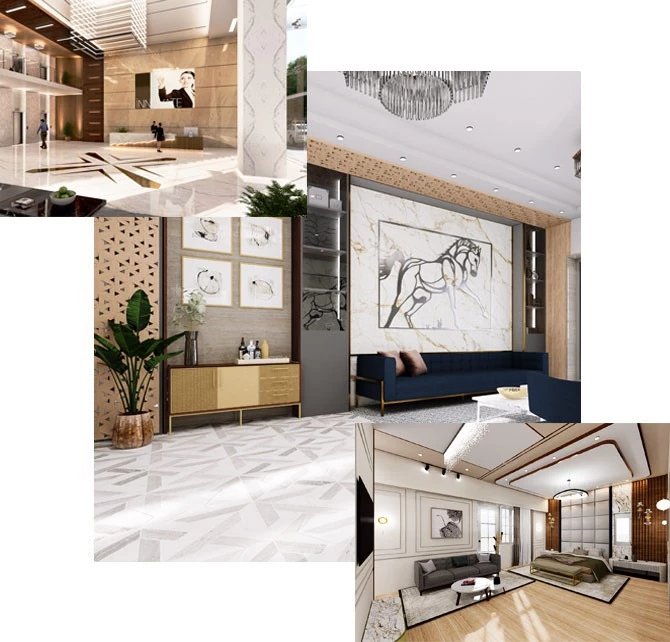
Currently, 3D visualization is heavily employed in architecture, gaming, film, and product design. Advanced software allows for stunningly realistic renders, giving life to concepts and ideas before they materialize. Virtual reality (VR) and augmented reality (AR) are becoming increasingly intertwined with 3D visualization, offering immersive experiences.
Emerging Technologies
The integration of artificial intelligence (AI) in 3D visualization is a game-changer. AI algorithms can optimize rendering processes, predict design outcomes, and even suggest improvements, enhancing both efficiency and creativity.
Industry Application
In architecture, 3D visualization is revolutionizing client presentations. Gone are the days of flat blueprints; clients can now take virtual tours of their projects, experiencing spaces before they're built. In healthcare, 3D models of organs are aiding in complex surgeries, and in retail, AR-enabled apps let customers visualize products in their homes before purchasing.
Future Directions
Looking ahead, the fusion of 3D visualization with real-time data promises groundbreaking applications. Imagine smart city models that not only visualize urban layouts but also simulate traffic, weather, and population dynamics.
The potential for hyper-realistic, real-time 3D renders could transform entertainment and education, offering experiences that blur the lines between virtual and reality.
Challenges and Opportunities
As the demand for more sophisticated and accessible 3D visualization grows, the industry faces challenges in software development, hardware capabilities, and skill requirements. However, these challenges present opportunities for innovation and growth.
In conclusion, the 3D visualization industry stands at a fascinating juncture, poised for transformative growth. As it continues to expand its reach, the possibilities seem as boundless as the imagination itself. 🌐🎨🔍
1 Likes
