
The Pond Gnome
Gardening
Peoria / AZ / US
 0 (0)
0 (0)
0 followers
Building a Sustainable Future: Eco-Friendly Approaches in Ponds, Lakes, and Water Gardens Construction
Incorporating Native Plants
Using native plants in water garden designs supports local ecosystems. These plants require less maintenance and provide a habitat for local wildlife, creating a balanced, natural environment.
Implementing Natural Filtration Systems
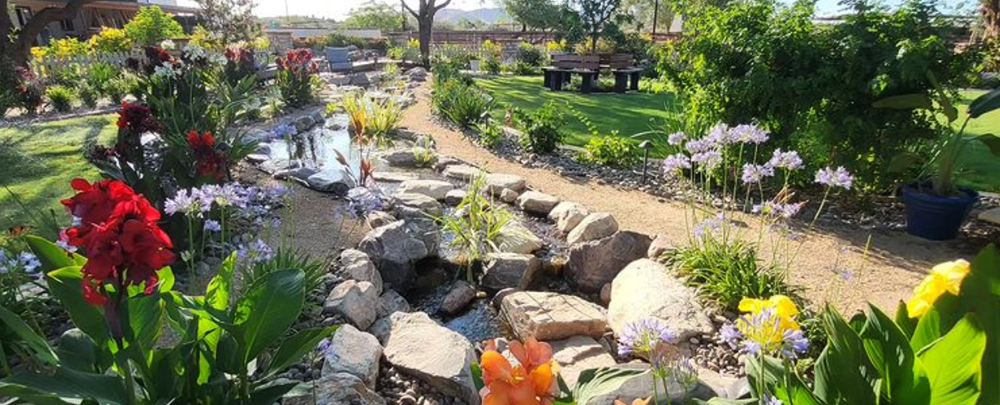
Natural filtration, using plants and rocks, reduces the need for chemicals. This method maintains water clarity and quality while minimizing the ecological footprint.
Rainwater Harvesting
Capturing and utilizing rainwater for ponds and water gardens conserves water resources. This practice reduces reliance on municipal water supplies and lowers the environmental impact.
Solar-Powered Features
Solar-powered pumps and lighting reduce electricity usage. Harnessing the power of the sun, these features are both energy-efficient and cost-effective.
Creating Wildlife Sanctuaries
Designing water features to attract and support wildlife contributes to biodiversity. These spaces can become vital sanctuaries for birds, fish, and beneficial insects.
Concluding Thoughts
Sustainable construction practices in ponds, lakes, and water gardens play a crucial role in preserving our planet. By adopting these eco-friendly methods, we can create beautiful, natural spaces that benefit both the environment and future generations.

Incorporating Native Plants
Using native plants in water garden designs supports local ecosystems. These plants require less maintenance and provide a habitat for local wildlife, creating a balanced, natural environment.
Implementing Natural Filtration Systems
Natural filtration, using plants and rocks, reduces the need for chemicals. This method maintains water clarity and quality while minimizing the ecological footprint.
Rainwater Harvesting
Capturing and utilizing rainwater for ponds and water gardens conserves water resources. This practice reduces reliance on municipal water supplies and lowers the environmental impact.
Solar-Powered Features
Solar-powered pumps and lighting reduce electricity usage. Harnessing the power of the sun, these features are both energy-efficient and cost-effective.
Creating Wildlife Sanctuaries
Designing water features to attract and support wildlife contributes to biodiversity. These spaces can become vital sanctuaries for birds, fish, and beneficial insects.
Concluding Thoughts
Sustainable construction practices in ponds, lakes, and water gardens play a crucial role in preserving our planet. By adopting these eco-friendly methods, we can create beautiful, natural spaces that benefit both the environment and future generations.
1 Likes
