

Genesis Spine Joint & Regenerative Medicine
Alternative/Holistic Medicine
Federal Way / WA / US
 0 (0)
0 (0)
0 followers
Understanding Diabetic Neuropathy: A Brief Overview
1. **Neuropathic Pain:**
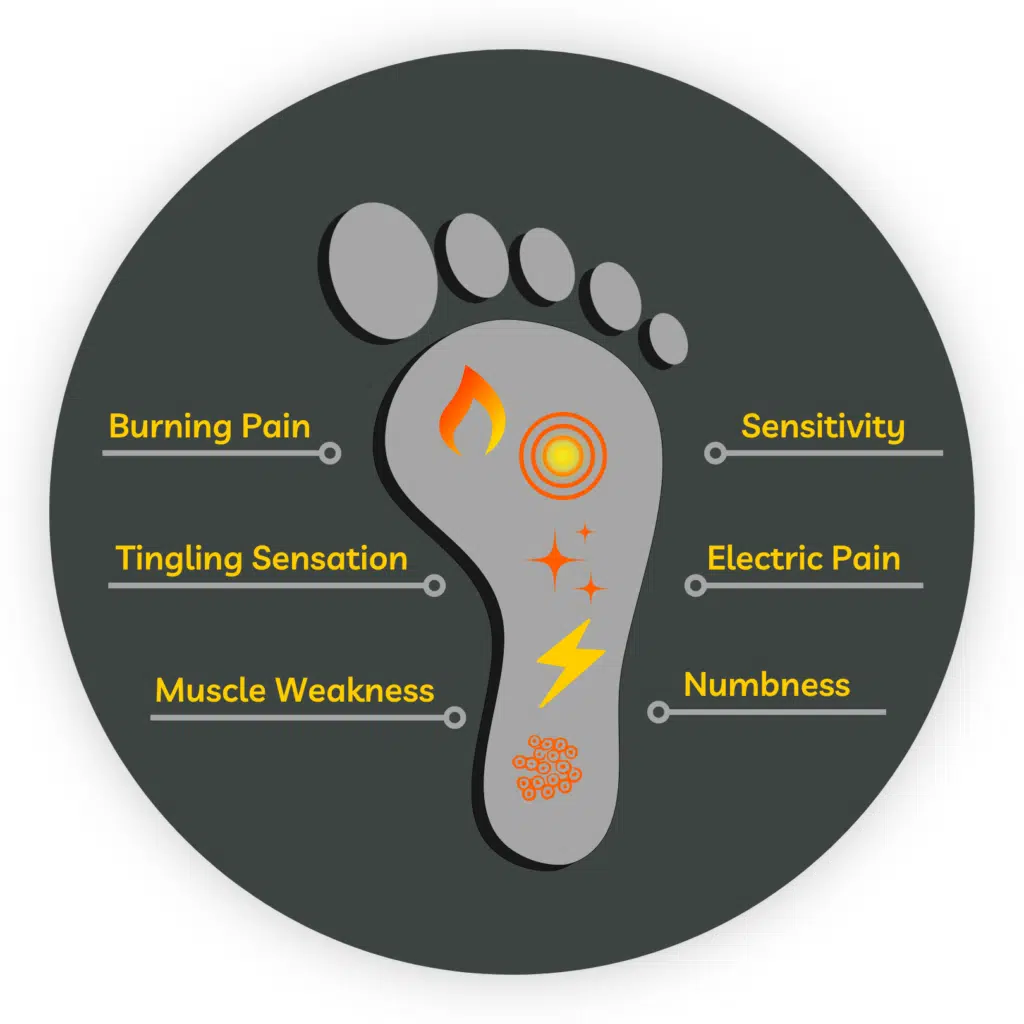
Neuropathic pain stems from dysfunction or damage to the nervous system, including peripheral nerves, spinal cord, or the brain. It often manifests as shooting, burning, stabbing, electric shock-like sensations, tingling, numbness, or "pins and needles." While patients might overlook numbness and tingling, these are recognized as forms of pain by clinicians. Diabetic peripheral neuropathy, a prevalent type, is marked by various symptoms.
2. **Diabetic Neuropathy Defined:**
In developed nations, diabetic neuropathy stands out as the most common neuropathy, affecting at least 50% of diabetic patients. The four primary types include peripheral, autonomic, focal, and proximal, with peripheral diabetic neuropathy being the most prevalent.
3. **Underlying Causes:**
Uncontrolled diabetes contributes to elevated blood sugars and fats, causing damage to the nervous system and small blood vessels. This impairs oxygen and nutrient exchange to the nerves, leading to neuropathic symptoms.
4. **Recognizing Symptoms:**
Peripheral diabetic neuropathy typically begins with loss of sensation or pain in the feet, sometimes extending to shooting pain in the lower legs. Chronic pain may affect overall quality of life, potentially leading to complications like diabetic foot ulcers. Early consultation with a provider or podiatrist is crucial for proper diagnosis and treatment.
5. **Diagnosis Process:**
Consulting your healthcare provider initiates the diagnostic process. Blood tests, imaging exams, and nerve function tests may be ordered to identify underlying issues. Blood tests check for electrolyte imbalances, diabetes, and vitamin deficiencies. Imaging exams help rule out other conditions, while nerve function tests pinpoint affected nerves.
6. **Treatment Approaches:**
Treating diabetic neuropathy involves a multi-disciplinary approach. Managing diabetes, adopting a physically active lifestyle, and adhering to a diabetes meal plan are foundational. A collaborative care team, including primary care providers, podiatrists, dieticians, nurses, physical therapists, and pain specialists, may be involved. Oral medications are often recommended, and in severe cases, spinal cord stimulation (SCS) can be considered.
In conclusion, understanding diabetic neuropathy is the first step toward effective management. A collaborative approach, lifestyle adjustments, and medical interventions tailored to individual needs can significantly improve the quality of life for those affected. If conservative treatments prove insufficient, consultation with a specialist, such as the team at Genesis Medicine, can guide patients toward an optimal treatment plan.
1. **Neuropathic Pain:**
Neuropathic pain stems from dysfunction or damage to the nervous system, including peripheral nerves, spinal cord, or the brain. It often manifests as shooting, burning, stabbing, electric shock-like sensations, tingling, numbness, or "pins and needles." While patients might overlook numbness and tingling, these are recognized as forms of pain by clinicians. Diabetic peripheral neuropathy, a prevalent type, is marked by various symptoms.
2. **Diabetic Neuropathy Defined:**
In developed nations, diabetic neuropathy stands out as the most common neuropathy, affecting at least 50% of diabetic patients. The four primary types include peripheral, autonomic, focal, and proximal, with peripheral diabetic neuropathy being the most prevalent.
3. **Underlying Causes:**
Uncontrolled diabetes contributes to elevated blood sugars and fats, causing damage to the nervous system and small blood vessels. This impairs oxygen and nutrient exchange to the nerves, leading to neuropathic symptoms.
4. **Recognizing Symptoms:**
Peripheral diabetic neuropathy typically begins with loss of sensation or pain in the feet, sometimes extending to shooting pain in the lower legs. Chronic pain may affect overall quality of life, potentially leading to complications like diabetic foot ulcers. Early consultation with a provider or podiatrist is crucial for proper diagnosis and treatment.
5. **Diagnosis Process:**
Consulting your healthcare provider initiates the diagnostic process. Blood tests, imaging exams, and nerve function tests may be ordered to identify underlying issues. Blood tests check for electrolyte imbalances, diabetes, and vitamin deficiencies. Imaging exams help rule out other conditions, while nerve function tests pinpoint affected nerves.
6. **Treatment Approaches:**
Treating diabetic neuropathy involves a multi-disciplinary approach. Managing diabetes, adopting a physically active lifestyle, and adhering to a diabetes meal plan are foundational. A collaborative care team, including primary care providers, podiatrists, dieticians, nurses, physical therapists, and pain specialists, may be involved. Oral medications are often recommended, and in severe cases, spinal cord stimulation (SCS) can be considered.
In conclusion, understanding diabetic neuropathy is the first step toward effective management. A collaborative approach, lifestyle adjustments, and medical interventions tailored to individual needs can significantly improve the quality of life for those affected. If conservative treatments prove insufficient, consultation with a specialist, such as the team at Genesis Medicine, can guide patients toward an optimal treatment plan.
0 Likes
