
Promet Restoration
Antiques
Seattle / WA / US
 0 (0)
0 (0)
0 followers
Keeping Your Piano Pristine: A Simple Guide
Introduction
Your piano is more than just a musical instrument; it's a cherished piece that enhances the elegance of your home. However, like any beloved item, pianos gather dust, fingerprints, and grime over time, affecting both their appearance and functionality. In this guide, we'll walk you through easy and effective steps to clean your piano, preserving its beauty and ensuring its longevity.
Choosing the Right Cleaning Materials
Start by ensuring you have the proper cleaning materials on hand. A soft microfiber cloth, water, or a mild cleaning solution (like Cory's piano cleaner) made from gentle soap and water are essential. Avoid harsh chemicals and rough cloths that could harm the piano's surface.
Cleaning Piano Keys
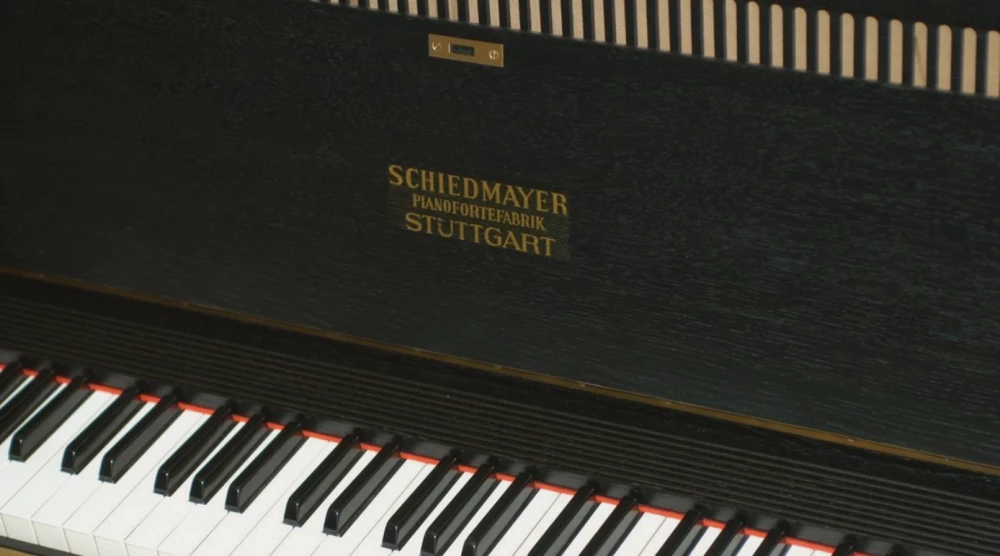
Piano keys, being the most touched surface, accumulate dirt and fingerprints and require special attention. Dampen a soft microfiber cloth with hydrogen peroxide or your cleaning solution and gently rub the top and front of each key. Use minimal pressure to avoid damage, and ensure no liquids seep between the keys. After cleaning, use a dry microfiber cloth to remove excess moisture.
Cleaning the Piano Cabinet
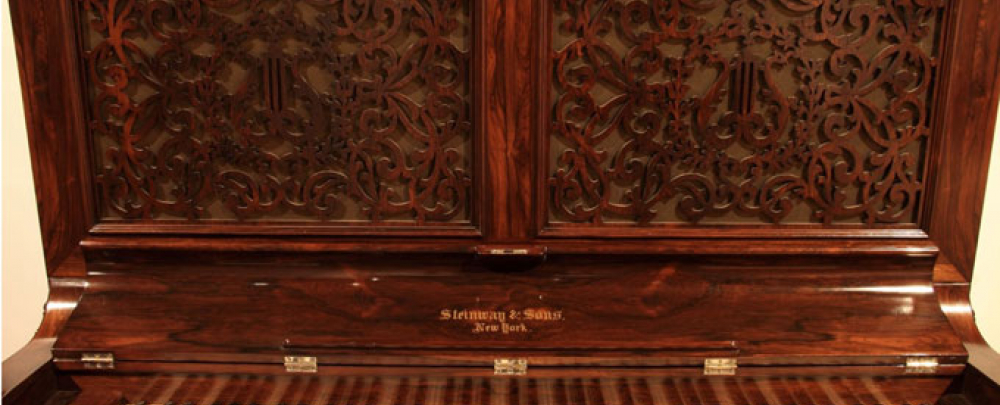
The piano cabinet, spanning a significant surface, easily collects dust and requires regular attention. Identify your piano's finish – satin or glossy – before cleaning. Satin finishes should be dusted in the direction of the grain to prevent scratches. Gently dust the piano to remove loose dirt, then use a damp cloth on small sections of the cabinet's surface. Avoid excess water to prevent damage, and use a dry microfiber cloth to remove excess moisture.
Cleaning the Soundboard, Plate, and Pedals
Cleaning the piano's interior and pedals is crucial for its performance but should be left to certified piano technicians.
Conclusion
By following these simple steps, you can easily and effectively clean and maintain your piano. Choose the right materials, be gentle when cleaning keys and the cabinet, and never leave liquids on the surface. If you're unsure about any marks or scuffs, consult a professional piano technician for repairs or restoration. Your piano will thank you with timeless beauty and harmonious melodies!
Introduction
Your piano is more than just a musical instrument; it's a cherished piece that enhances the elegance of your home. However, like any beloved item, pianos gather dust, fingerprints, and grime over time, affecting both their appearance and functionality. In this guide, we'll walk you through easy and effective steps to clean your piano, preserving its beauty and ensuring its longevity.
Choosing the Right Cleaning Materials
Start by ensuring you have the proper cleaning materials on hand. A soft microfiber cloth, water, or a mild cleaning solution (like Cory's piano cleaner) made from gentle soap and water are essential. Avoid harsh chemicals and rough cloths that could harm the piano's surface.
Cleaning Piano Keys
Piano keys, being the most touched surface, accumulate dirt and fingerprints and require special attention. Dampen a soft microfiber cloth with hydrogen peroxide or your cleaning solution and gently rub the top and front of each key. Use minimal pressure to avoid damage, and ensure no liquids seep between the keys. After cleaning, use a dry microfiber cloth to remove excess moisture.
Cleaning the Piano Cabinet
The piano cabinet, spanning a significant surface, easily collects dust and requires regular attention. Identify your piano's finish – satin or glossy – before cleaning. Satin finishes should be dusted in the direction of the grain to prevent scratches. Gently dust the piano to remove loose dirt, then use a damp cloth on small sections of the cabinet's surface. Avoid excess water to prevent damage, and use a dry microfiber cloth to remove excess moisture.
Cleaning the Soundboard, Plate, and Pedals
Cleaning the piano's interior and pedals is crucial for its performance but should be left to certified piano technicians.
Conclusion
By following these simple steps, you can easily and effectively clean and maintain your piano. Choose the right materials, be gentle when cleaning keys and the cabinet, and never leave liquids on the surface. If you're unsure about any marks or scuffs, consult a professional piano technician for repairs or restoration. Your piano will thank you with timeless beauty and harmonious melodies!
0 Likes
