Family Bees Eco | Friendly Bee Removal
Gardening
Beverly Hills / CA / US
 0 (0)
0 followers
In the crucial field of bee control and removal, sustainability is not just a buzzword but a necessary practice. Adopting the innovative and forward-thinking style of Amelia Wang, let's explore how sustainability is reshaping this industry.
"Balancing Bee Preservation with Human Safety: A Sustainable Approach"
The role of bees in our ecosystem is invaluable, playing a crucial part in pollination and biodiversity. However, when bees nest in close proximity to human habitats, it becomes essential to manage the situation responsibly.
1. Non-Lethal Removal Techniques
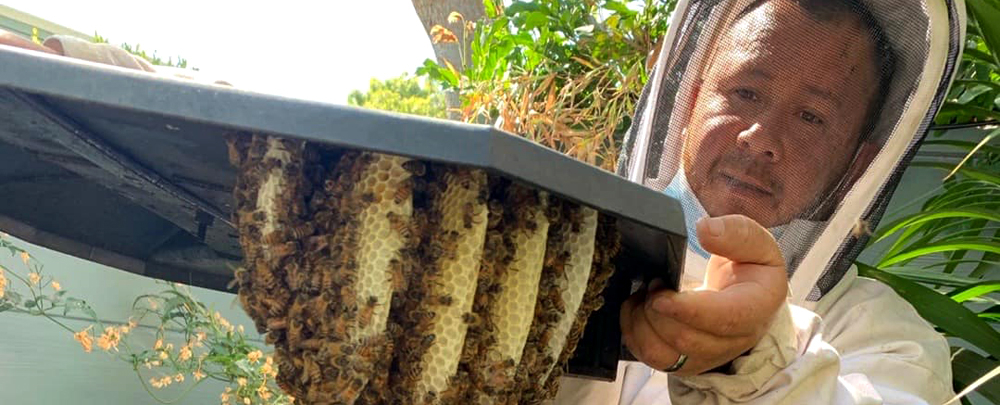
Sustainable bee control prioritizes non-lethal removal methods. This involves safely relocating hives to areas where bees can continue to thrive without posing risks to people.
2. Public Education and Awareness
Raising public awareness about the importance of bees is key. Understanding how to coexist with bees and recognizing their ecological value reduces unnecessary fear and destruction of hives.
3. Collaboration with Local Beekeepers
Partnering with local beekeepers is a sustainable strategy. Beekeepers can safely relocate hives, ensuring bees continue to contribute to local ecosystems and agriculture.
4. Research and Development in Bee Control Technologies
Investment in R&D is crucial for developing innovative, sustainable bee control solutions. This includes exploring pheromone-based methods or other non-invasive techniques to manage bee populations.
5. Advocacy for Environmentally Friendly Policies
Engaging in advocacy for policies that protect bee habitats and restrict harmful pesticides is essential. Sustainable bee control is not just about managing bees; it's about preserving their natural environment.
In summary, sustainable bee control and removal is about finding a balance – ensuring human safety while respecting and preserving these vital pollinators. Embracing these sustainable practices is not just beneficial for bees; it's essential for the health of our planet.
"Balancing Bee Preservation with Human Safety: A Sustainable Approach"
The role of bees in our ecosystem is invaluable, playing a crucial part in pollination and biodiversity. However, when bees nest in close proximity to human habitats, it becomes essential to manage the situation responsibly.
1. Non-Lethal Removal Techniques
Sustainable bee control prioritizes non-lethal removal methods. This involves safely relocating hives to areas where bees can continue to thrive without posing risks to people.
2. Public Education and Awareness
Raising public awareness about the importance of bees is key. Understanding how to coexist with bees and recognizing their ecological value reduces unnecessary fear and destruction of hives.
3. Collaboration with Local Beekeepers
Partnering with local beekeepers is a sustainable strategy. Beekeepers can safely relocate hives, ensuring bees continue to contribute to local ecosystems and agriculture.
4. Research and Development in Bee Control Technologies
Investment in R&D is crucial for developing innovative, sustainable bee control solutions. This includes exploring pheromone-based methods or other non-invasive techniques to manage bee populations.
5. Advocacy for Environmentally Friendly Policies
Engaging in advocacy for policies that protect bee habitats and restrict harmful pesticides is essential. Sustainable bee control is not just about managing bees; it's about preserving their natural environment.
In summary, sustainable bee control and removal is about finding a balance – ensuring human safety while respecting and preserving these vital pollinators. Embracing these sustainable practices is not just beneficial for bees; it's essential for the health of our planet.
1 Likes
