
SBV Fairhaven Mill
Food
Burlington / WA / US
 0 (0)
0 (0)
0 followers
Exploring the World of Alternative Flours in Baking
Ditching traditional flour opens up a realm of exciting possibilities in the world of baking and cooking. Whether driven by dietary restrictions, health considerations, or a simple desire to experiment with new flavors, alternative flours bring unique tastes, textures, and nutritional benefits to the table. However, navigating the switch to alternative flours requires an understanding of their distinctive characteristics and how they interact with other ingredients.
It's crucial to note that wheat flour boasts higher protein content than its alternatives, making it essential to compensate with leaveners and binders to replicate the structure of wheat flour. Binders such as xanthan gum or guar gum often step in to replace gluten's binding properties.
Wheat flour relies on two key protein components: Glutenin, responsible for the strength and elasticity of dough, creating its bounciness, and Gliadin, providing the ability to stretch and rise during baking. With the introduction of liquid, these proteins become active, forming a network of strong, elastic chains known as gluten.
Switching to gluten-free flour means losing the binding capabilities, structure, and the rising ability of traditional flour. Adjusting liquid content, experimenting with flavorful ingredients, and exercising patience can lead to delightful gluten-free treats with amazing tastes and textures. Whether driven by specific dietary needs or a simple curiosity about new culinary horizons, alternative flours offer a wealth of exciting baking possibilities!
Tips for Baking with Alternative Flours:
1. **Accurate Measurements:** Use a kitchen scale for precise measurements. Gluten-free baking is sensitive to measurements, so invest in measuring cups and spoons designed for dry and wet ingredients to ensure the right balance.
2. **Incorporate Binders:** Add binding agents like xanthan gum or guar gum to enhance texture and structure, mimicking the elasticity of gluten.
3. **Adjust Liquid Content:** Gluten-free flour absorbs more liquid than regular flour, so be prepared to increase the liquid content in your recipes by adding extra water, milk, or other liquids.
4. **Add Moisture-Rich Ingredients:** Include ingredients like applesauce, mashed bananas, or yogurt to add moisture and prevent the final product from being dry or crumbly.
5. **Avoid Overmixing:** When working with gluten-free batters, avoid overmixing to prevent a gummy or dense texture. Mix just until all ingredients are combined.
6. **Let the Batter Rest:** Allow the batter to rest for a few minutes before baking to ensure proper hydration of the flours and a better texture in the finished product.
7. **Experiment with Different Flours:** Try various gluten-free flours and combinations to discover unique flavors and textures.
8. **Use Parchment Paper or Non-Stick Pans:** Prevent sticking by lining baking pans with parchment paper or using non-stick pans.
9. **Treat Your Dough as Fresh:** Purchase gluten-free (and wheat) dough in smaller quantities and store in a cool, dry place or the fridge/freezer. Freeze what you won't use in a couple of days.
10. **Prevent Cross-Contamination:** For those with celiac disease or severe gluten sensitivity, use separate utensils, bowls, and equipment to avoid cross-contamination.
11. **Adjust Baking Time and Temperature:** Gluten-free recipes may require different baking times and temperatures, so monitor your baked goods closely and use a toothpick or cake tester to check for doneness.
12. **Be Patient and Persistent:** Gluten-free baking may involve some trial and error, so stay persistent and patient. With practice, you'll become more adept at gluten-free baking techniques.
Troubleshooting Tips:
Remember, perfection comes with practice, so don't hesitate to experiment and adjust your recipes. Enjoy the journey and savor the delicious gluten-free treats you create!
If Your Dough/Bake Is...
- **Sticky:** Too much liquid is likely present; consider adding more gluten-free flour.
- **Gummy in the Middle:** Bake longer and let the bake rest for 10-15 minutes to allow ingredients to absorb each other.
- **Crumbly:** Insufficient binder or not enough of it; add xanthan gum, guar gum, or psyllium husk.
- **Too Dense:** Inadequate liquid; accurately weigh ingredients for proper hydration.
Happy baking!
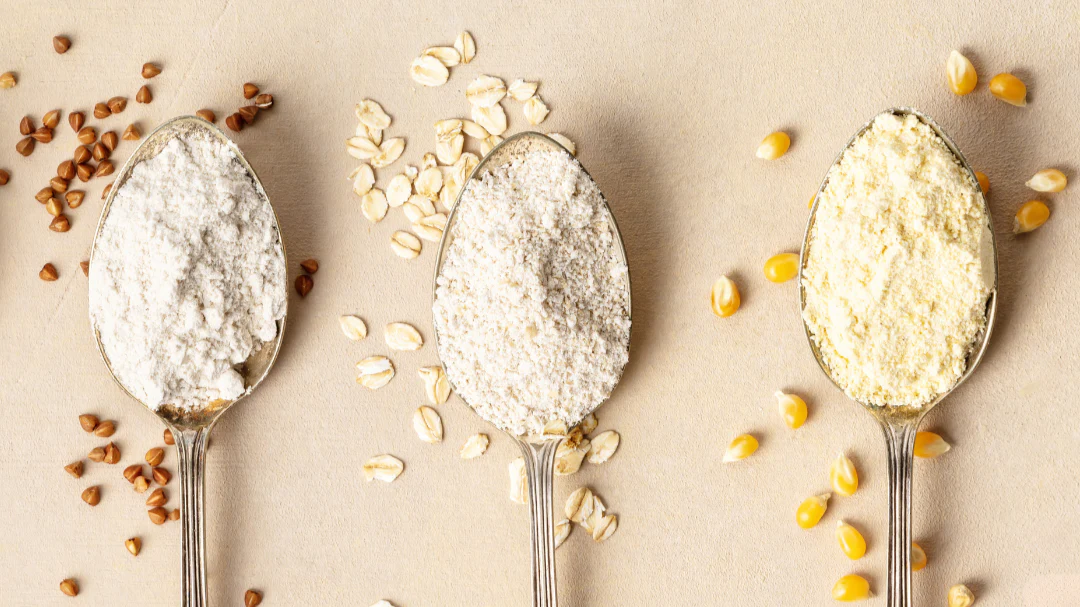
Ditching traditional flour opens up a realm of exciting possibilities in the world of baking and cooking. Whether driven by dietary restrictions, health considerations, or a simple desire to experiment with new flavors, alternative flours bring unique tastes, textures, and nutritional benefits to the table. However, navigating the switch to alternative flours requires an understanding of their distinctive characteristics and how they interact with other ingredients.
It's crucial to note that wheat flour boasts higher protein content than its alternatives, making it essential to compensate with leaveners and binders to replicate the structure of wheat flour. Binders such as xanthan gum or guar gum often step in to replace gluten's binding properties.
Wheat flour relies on two key protein components: Glutenin, responsible for the strength and elasticity of dough, creating its bounciness, and Gliadin, providing the ability to stretch and rise during baking. With the introduction of liquid, these proteins become active, forming a network of strong, elastic chains known as gluten.
Switching to gluten-free flour means losing the binding capabilities, structure, and the rising ability of traditional flour. Adjusting liquid content, experimenting with flavorful ingredients, and exercising patience can lead to delightful gluten-free treats with amazing tastes and textures. Whether driven by specific dietary needs or a simple curiosity about new culinary horizons, alternative flours offer a wealth of exciting baking possibilities!
Tips for Baking with Alternative Flours:
1. **Accurate Measurements:** Use a kitchen scale for precise measurements. Gluten-free baking is sensitive to measurements, so invest in measuring cups and spoons designed for dry and wet ingredients to ensure the right balance.
2. **Incorporate Binders:** Add binding agents like xanthan gum or guar gum to enhance texture and structure, mimicking the elasticity of gluten.
3. **Adjust Liquid Content:** Gluten-free flour absorbs more liquid than regular flour, so be prepared to increase the liquid content in your recipes by adding extra water, milk, or other liquids.
4. **Add Moisture-Rich Ingredients:** Include ingredients like applesauce, mashed bananas, or yogurt to add moisture and prevent the final product from being dry or crumbly.
5. **Avoid Overmixing:** When working with gluten-free batters, avoid overmixing to prevent a gummy or dense texture. Mix just until all ingredients are combined.
6. **Let the Batter Rest:** Allow the batter to rest for a few minutes before baking to ensure proper hydration of the flours and a better texture in the finished product.
7. **Experiment with Different Flours:** Try various gluten-free flours and combinations to discover unique flavors and textures.
8. **Use Parchment Paper or Non-Stick Pans:** Prevent sticking by lining baking pans with parchment paper or using non-stick pans.
9. **Treat Your Dough as Fresh:** Purchase gluten-free (and wheat) dough in smaller quantities and store in a cool, dry place or the fridge/freezer. Freeze what you won't use in a couple of days.
10. **Prevent Cross-Contamination:** For those with celiac disease or severe gluten sensitivity, use separate utensils, bowls, and equipment to avoid cross-contamination.
11. **Adjust Baking Time and Temperature:** Gluten-free recipes may require different baking times and temperatures, so monitor your baked goods closely and use a toothpick or cake tester to check for doneness.
12. **Be Patient and Persistent:** Gluten-free baking may involve some trial and error, so stay persistent and patient. With practice, you'll become more adept at gluten-free baking techniques.
Troubleshooting Tips:
Remember, perfection comes with practice, so don't hesitate to experiment and adjust your recipes. Enjoy the journey and savor the delicious gluten-free treats you create!
If Your Dough/Bake Is...
- **Sticky:** Too much liquid is likely present; consider adding more gluten-free flour.
- **Gummy in the Middle:** Bake longer and let the bake rest for 10-15 minutes to allow ingredients to absorb each other.
- **Crumbly:** Insufficient binder or not enough of it; add xanthan gum, guar gum, or psyllium husk.
- **Too Dense:** Inadequate liquid; accurately weigh ingredients for proper hydration.
Happy baking!
0 Likes
