
Las Vegas Real Estate Photographer
Real Estate
Las Vegas / NV / US
 0 (0)
0 (0)
0 followers
Capturing Perfection: Best Practices in Real Estate Photography
Real estate photography plays a crucial role in property marketing, requiring a keen eye for detail and an understanding of what attracts potential buyers. Here are the best practices that photographers should follow to capture stunning and effective real estate images.
1. Use the Right Equipment
Invest in a good DSLR or mirrorless camera.
Wide-angle lenses are a must for capturing full rooms.
Tripods ensure stability and consistency in your shots.
Use external flashes or lighting equipment to brighten up spaces.
2. Prioritize Natural Light
Schedule shoots during the day when natural light is abundant.
Open curtains and blinds to let in as much light as possible.
Balance natural light with interior lighting for an inviting atmosphere.
3. Pay Attention to Composition
Use the rule of thirds for a balanced composition.
Capture from the corner of rooms to add depth and show more of the space.
Avoid too much ceiling or floor in the frame unless highlighting specific features.
4. Stage the Property
Ensure the property is clean and decluttered.
Stage rooms to look lived in but not personalized; neutral decor attracts more buyers.
Highlight unique features of the property.
5. Focus on Post-Processing
Adjust exposure, contrast, and white balance for a natural look.
Correct lens distortion to ensure straight lines, especially for architectural features.
Be cautious with over-editing; images should reflect the actual property.
6. Showcase the Exterior
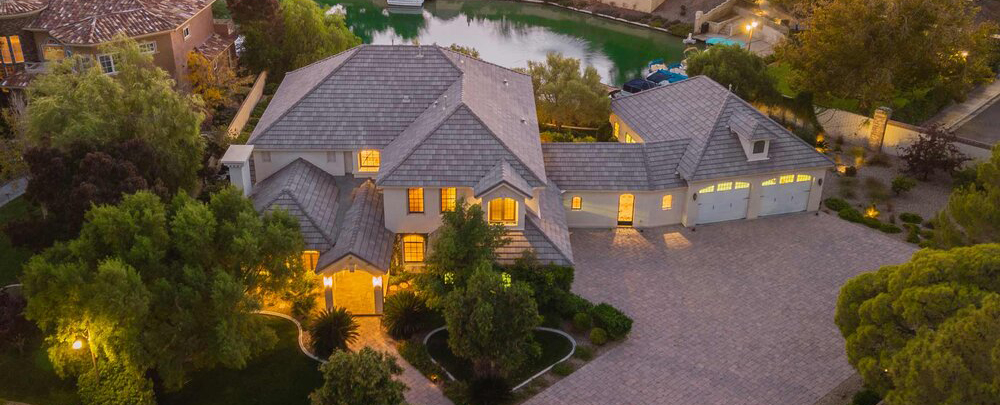
Include shots of the property’s facade, backyard, and any outdoor features.
Consider twilight photography for a dramatic and attractive exterior shot.
Include landscaped elements and the surrounding neighborhood.
7. Provide a Variety of Angles
Shoot each room from multiple angles to give a comprehensive view.
Include close-up shots of special details and finishes.
Offer a mix of wide shots and detail-oriented photos.
8. Virtual Tour and Video
Create virtual tours or video walkthroughs for a more immersive experience.
Use smooth and steady movements for videos.
Highlight key areas of the home and any unique features.
9. Consistency is Key
Maintain a consistent style and quality across all photos.
Ensure color accuracy and similar lighting throughout the shoot.
10. Understand the Property’s Selling Points
Tailor your photography to highlight the selling points of each property.
Collaborate with real estate agents to understand what features to emphasize.
By adhering to these best practices, real estate photographers can create compelling and attractive images that help properties stand out in the market, ultimately aiding in quicker and more profitable sales.
Real estate photography plays a crucial role in property marketing, requiring a keen eye for detail and an understanding of what attracts potential buyers. Here are the best practices that photographers should follow to capture stunning and effective real estate images.
1. Use the Right Equipment
Invest in a good DSLR or mirrorless camera.
Wide-angle lenses are a must for capturing full rooms.
Tripods ensure stability and consistency in your shots.
Use external flashes or lighting equipment to brighten up spaces.
2. Prioritize Natural Light
Schedule shoots during the day when natural light is abundant.
Open curtains and blinds to let in as much light as possible.
Balance natural light with interior lighting for an inviting atmosphere.
3. Pay Attention to Composition
Use the rule of thirds for a balanced composition.
Capture from the corner of rooms to add depth and show more of the space.
Avoid too much ceiling or floor in the frame unless highlighting specific features.
4. Stage the Property
Ensure the property is clean and decluttered.
Stage rooms to look lived in but not personalized; neutral decor attracts more buyers.
Highlight unique features of the property.
5. Focus on Post-Processing
Adjust exposure, contrast, and white balance for a natural look.
Correct lens distortion to ensure straight lines, especially for architectural features.
Be cautious with over-editing; images should reflect the actual property.
6. Showcase the Exterior
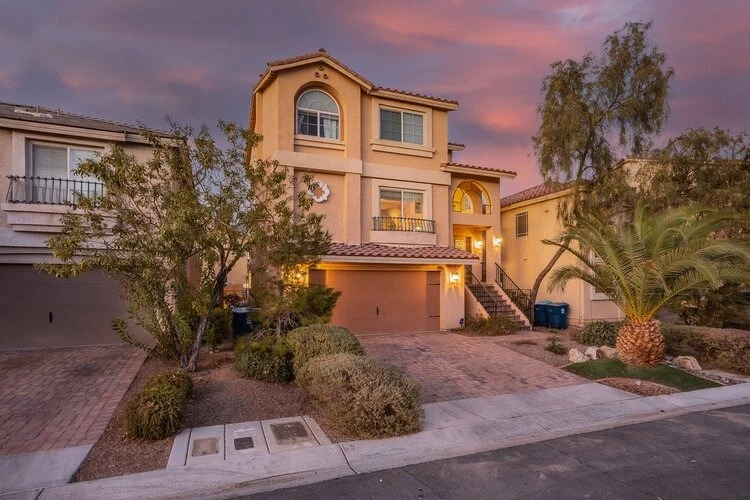
Include shots of the property’s facade, backyard, and any outdoor features.
Consider twilight photography for a dramatic and attractive exterior shot.
Include landscaped elements and the surrounding neighborhood.
7. Provide a Variety of Angles
Shoot each room from multiple angles to give a comprehensive view.
Include close-up shots of special details and finishes.
Offer a mix of wide shots and detail-oriented photos.
8. Virtual Tour and Video
Create virtual tours or video walkthroughs for a more immersive experience.
Use smooth and steady movements for videos.
Highlight key areas of the home and any unique features.
9. Consistency is Key
Maintain a consistent style and quality across all photos.
Ensure color accuracy and similar lighting throughout the shoot.
10. Understand the Property’s Selling Points
Tailor your photography to highlight the selling points of each property.
Collaborate with real estate agents to understand what features to emphasize.
By adhering to these best practices, real estate photographers can create compelling and attractive images that help properties stand out in the market, ultimately aiding in quicker and more profitable sales.
1 Likes
