

WebWorks Agency
IT/Technology
Los Angeles / CA / US
 0 (0)
0 (0)
0 followers
Crafting Digital Experiences: Expert Insights into Web Design and Services
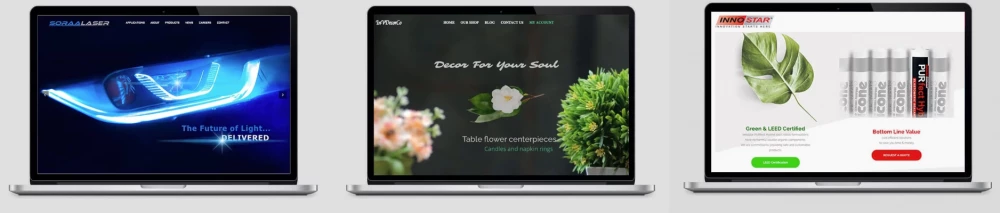
Web design and services play a pivotal role in shaping the online presence of businesses and individuals. In this expert tips blog post, we gather insights from seasoned web designers to shed light on the principles, trends, and best practices that define effective web design.
1. User-Centric Design
Prioritizing User Experience: The cornerstone of successful web design is a user-centric approach. Designers should focus on creating intuitive, accessible, and visually pleasing websites that cater to the needs and preferences of the target audience.
2. Responsive Design
Mobile Optimization: With the increasing use of mobile devices, responsive design is non-negotiable. Websites must adapt seamlessly to various screen sizes and resolutions to provide a consistent user experience.
3. Content is King
Compelling Content: Great design should go hand in hand with valuable and engaging content. High-quality text, images, and multimedia elements enhance user engagement and search engine visibility.
4. Minimalistic Design
Simplicity and Clarity: Minimalistic design, characterized by clean layouts and ample white space, helps users navigate easily and focus on essential content. It also contributes to faster loading times.
5. Visual Hierarchy
Guiding User Attention: Establishing a visual hierarchy through typography, color, and layout directs users' attention to the most important elements and calls to action.
6. Brand Consistency
Building Brand Identity: A consistent design that aligns with a brand's identity across all digital touchpoints reinforces brand recognition and trustworthiness.
7. Accessibility
Inclusive Design: Ensuring web accessibility for all users, including those with disabilities, is both ethical and legally required in many regions. Designers should follow accessibility standards and guidelines.
8. Performance Optimization
Speed Matters: Websites must load quickly to retain user interest. Performance optimization techniques, such as image compression and code minification, are essential.
9. SEO Integration
Search Engine Visibility: Effective web design includes SEO integration, focusing on on-page SEO elements like meta tags, headings, and structured data to improve search engine rankings.
10. Analytics and Testing
Continuous Improvement: Implementing web analytics tools and conducting A/B testing helps designers gather data and insights to refine and improve the website's performance and user experience.
Web design and services play a pivotal role in shaping the online presence of businesses and individuals. In this expert tips blog post, we gather insights from seasoned web designers to shed light on the principles, trends, and best practices that define effective web design.
1. User-Centric Design
Prioritizing User Experience: The cornerstone of successful web design is a user-centric approach. Designers should focus on creating intuitive, accessible, and visually pleasing websites that cater to the needs and preferences of the target audience.
2. Responsive Design
Mobile Optimization: With the increasing use of mobile devices, responsive design is non-negotiable. Websites must adapt seamlessly to various screen sizes and resolutions to provide a consistent user experience.
3. Content is King
Compelling Content: Great design should go hand in hand with valuable and engaging content. High-quality text, images, and multimedia elements enhance user engagement and search engine visibility.
4. Minimalistic Design
Simplicity and Clarity: Minimalistic design, characterized by clean layouts and ample white space, helps users navigate easily and focus on essential content. It also contributes to faster loading times.
5. Visual Hierarchy
Guiding User Attention: Establishing a visual hierarchy through typography, color, and layout directs users' attention to the most important elements and calls to action.
6. Brand Consistency
Building Brand Identity: A consistent design that aligns with a brand's identity across all digital touchpoints reinforces brand recognition and trustworthiness.
7. Accessibility
Inclusive Design: Ensuring web accessibility for all users, including those with disabilities, is both ethical and legally required in many regions. Designers should follow accessibility standards and guidelines.
8. Performance Optimization
Speed Matters: Websites must load quickly to retain user interest. Performance optimization techniques, such as image compression and code minification, are essential.
9. SEO Integration
Search Engine Visibility: Effective web design includes SEO integration, focusing on on-page SEO elements like meta tags, headings, and structured data to improve search engine rankings.
10. Analytics and Testing
Continuous Improvement: Implementing web analytics tools and conducting A/B testing helps designers gather data and insights to refine and improve the website's performance and user experience.
1 Likes
