

Kelli Grant Group
Real Estate
Phoenix / AZ / US
 0 (0)
0 (0)
0 followers
The residential real estate market is constantly evolving, influenced by economic factors, societal changes, and shifting buyer preferences. In this blog post, we'll delve into the current trends and noteworthy developments in the residential real estate market.
Trend 1: Remote Work Influences Homebuying
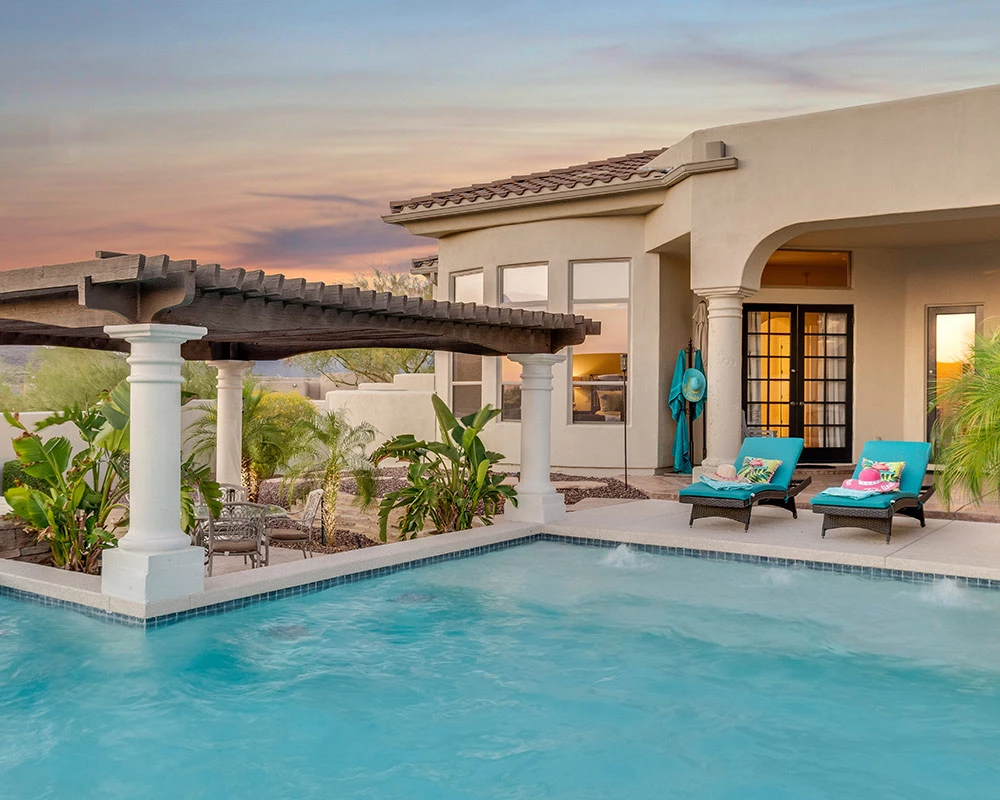
The rise of remote work has led to a surge in demand for homes with dedicated office spaces and larger, more flexible living arrangements. Many buyers are now prioritizing homes with home offices, spacious layouts, and outdoor areas for work-life balance.
Trend 2: Sustainable and Energy-Efficient Homes
Eco-friendly features and energy-efficient technologies are becoming essential selling points for residential properties. Buyers are increasingly interested in homes with solar panels, energy-efficient appliances, and sustainable building materials, not only to reduce their environmental footprint but also to lower utility costs.
Trend 3: Urban vs. Suburban Migration
The COVID-19 pandemic has prompted some residents to reconsider their living environments. Urban dwellers are exploring suburban and rural areas for more space, while others are rediscovering the appeal of city living with less congestion as the world adapts to new norms.
Trend 4: Rising Interest in Smart Homes
The integration of smart home technology is on the rise. Buyers are seeking homes equipped with automation systems for lighting, security, heating, and cooling, making properties more convenient, secure, and energy-efficient.
Trend 5: Competitive Market Conditions
Low mortgage rates and high demand have created a competitive environment for buyers. Multiple offers on properties and bidding wars have become common, leading to a need for buyers to be well-prepared and financially secure.
Trend 6: Affordable Housing Challenges
Affordability remains a significant concern in many markets. Some regions are experiencing a shortage of affordable housing, making it challenging for first-time buyers to enter the market.
Trend 7: Virtual Home Tours and Remote Transactions
The pandemic accelerated the adoption of virtual home tours and online transactions. Buyers can explore properties from the comfort of their homes, and many transactions can be completed remotely.
Trend 8: Real Estate Technology Advancements
PropTech (property technology) innovations are changing how real estate transactions are conducted. Blockchain, AI, and data analytics are increasingly used for property valuations, mortgage processing, and investment analysis.
Trend 9: Sustainability and Wellness Communities
Developers are focusing on creating sustainable and wellness-oriented residential communities. These communities emphasize green spaces, health amenities, and a holistic approach to well-being.
Trend 10: Multigenerational Living Solutions
Multigenerational living arrangements are becoming more common as families seek ways to support and accommodate multiple generations under one roof. Homes with separate living spaces or "granny flats" are in demand.
The residential real estate market is a dynamic landscape influenced by a range of trends and factors. Whether you're a buyer, seller, or investor, staying informed about these trends can help you make informed decisions in this evolving market. As the market continues to adapt to changing circumstances, it's essential to be flexible and open to new possibilities in the world of residential real estate.
Trend 1: Remote Work Influences Homebuying
The rise of remote work has led to a surge in demand for homes with dedicated office spaces and larger, more flexible living arrangements. Many buyers are now prioritizing homes with home offices, spacious layouts, and outdoor areas for work-life balance.
Trend 2: Sustainable and Energy-Efficient Homes
Eco-friendly features and energy-efficient technologies are becoming essential selling points for residential properties. Buyers are increasingly interested in homes with solar panels, energy-efficient appliances, and sustainable building materials, not only to reduce their environmental footprint but also to lower utility costs.
Trend 3: Urban vs. Suburban Migration
The COVID-19 pandemic has prompted some residents to reconsider their living environments. Urban dwellers are exploring suburban and rural areas for more space, while others are rediscovering the appeal of city living with less congestion as the world adapts to new norms.
Trend 4: Rising Interest in Smart Homes
The integration of smart home technology is on the rise. Buyers are seeking homes equipped with automation systems for lighting, security, heating, and cooling, making properties more convenient, secure, and energy-efficient.
Trend 5: Competitive Market Conditions
Low mortgage rates and high demand have created a competitive environment for buyers. Multiple offers on properties and bidding wars have become common, leading to a need for buyers to be well-prepared and financially secure.
Trend 6: Affordable Housing Challenges
Affordability remains a significant concern in many markets. Some regions are experiencing a shortage of affordable housing, making it challenging for first-time buyers to enter the market.
Trend 7: Virtual Home Tours and Remote Transactions
The pandemic accelerated the adoption of virtual home tours and online transactions. Buyers can explore properties from the comfort of their homes, and many transactions can be completed remotely.
Trend 8: Real Estate Technology Advancements
PropTech (property technology) innovations are changing how real estate transactions are conducted. Blockchain, AI, and data analytics are increasingly used for property valuations, mortgage processing, and investment analysis.
Trend 9: Sustainability and Wellness Communities
Developers are focusing on creating sustainable and wellness-oriented residential communities. These communities emphasize green spaces, health amenities, and a holistic approach to well-being.
Trend 10: Multigenerational Living Solutions
Multigenerational living arrangements are becoming more common as families seek ways to support and accommodate multiple generations under one roof. Homes with separate living spaces or "granny flats" are in demand.
The residential real estate market is a dynamic landscape influenced by a range of trends and factors. Whether you're a buyer, seller, or investor, staying informed about these trends can help you make informed decisions in this evolving market. As the market continues to adapt to changing circumstances, it's essential to be flexible and open to new possibilities in the world of residential real estate.
1 Likes
