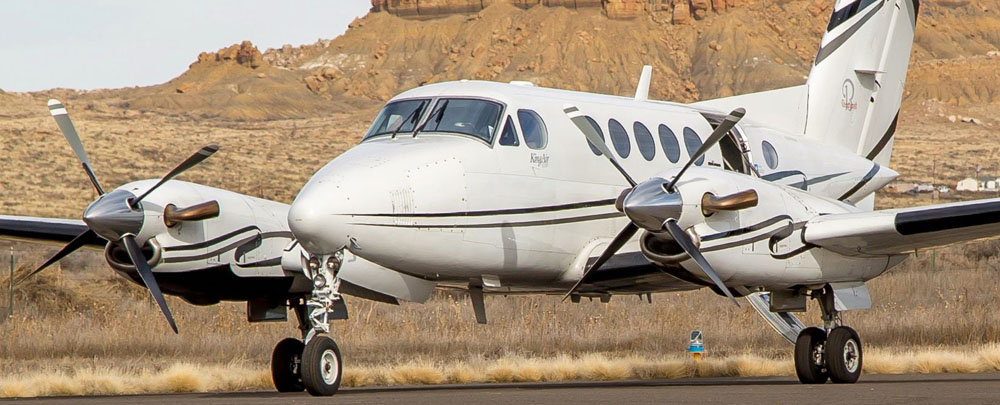

Southwest Aircraft Charter
Moving & Shipping
Mesa / AZ / US
 0 (0)
0 (0)
0 followers
Navigating the Skies: An Analysis of the Aircraft Charter, Rental, and Leasing Industry
The aircraft charter, rental, and leasing industry plays a vital role in global aviation, offering flexibility and customized solutions for personal and business travel. This industry analysis explores current trends, challenges, and the market outlook for this dynamic sector.
1. Market Trends and Growth Drivers
Increasing Demand for Private Travel: The industry is experiencing a surge in demand for private charters, driven by a desire for convenience, privacy, and safety, especially in the context of the COVID-19 pandemic.
Expansion in Business Aviation: There's a growing trend of businesses utilizing private aircraft for corporate travel, enhancing efficiency and flexibility.
2. Technological Advancements
Innovations in Aircraft Technology: The introduction of more fuel-efficient and environmentally friendly aircraft is shaping the industry.
Digitalization and Connectivity: Improved digital platforms for booking and managing charters are enhancing customer experience.
3. Regulatory Landscape
Compliance with Aviation Regulations: The industry must navigate complex regulatory environments, which vary by region and country.
Safety Standards: Adhering to stringent safety and maintenance standards is crucial for operators in this space.
4. Challenges and Solutions
Operational Costs: High operational costs, including maintenance, fuel, and staffing, remain a challenge.
Solution: Operators are focusing on fleet optimization and cost-effective management strategies.
Market Volatility: The industry is susceptible to economic fluctuations and travel restrictions.
Solution: Diversification of services and exploring niche markets can help mitigate risks.
5. Competitive Landscape
Market Players: The industry comprises a mix of large multinational corporations and smaller specialized firms.
Competitive Differentiators: Key differentiators include fleet size and type, service quality, pricing, and global reach.
6. Sustainability and Environmental Impact
Eco-friendly Initiatives: There's an increasing focus on reducing the carbon footprint of aviation, with investments in sustainable aviation fuels and electric aircraft.
7. Future Outlook
Growth Prospects: The industry is expected to continue growing, with private aviation becoming more accessible to a broader customer base.
Challenges Ahead: Operators will need to adapt to changing consumer preferences, technological advancements, and environmental considerations.
The aircraft charter, rental, and leasing industry is characterized by its dynamism and resilience. As it adapts to changing market conditions and technological innovations, it continues to offer tailored solutions that cater to a diverse range of aviation needs.
The aircraft charter, rental, and leasing industry plays a vital role in global aviation, offering flexibility and customized solutions for personal and business travel. This industry analysis explores current trends, challenges, and the market outlook for this dynamic sector.
1. Market Trends and Growth Drivers
Increasing Demand for Private Travel: The industry is experiencing a surge in demand for private charters, driven by a desire for convenience, privacy, and safety, especially in the context of the COVID-19 pandemic.
Expansion in Business Aviation: There's a growing trend of businesses utilizing private aircraft for corporate travel, enhancing efficiency and flexibility.
2. Technological Advancements
Innovations in Aircraft Technology: The introduction of more fuel-efficient and environmentally friendly aircraft is shaping the industry.
Digitalization and Connectivity: Improved digital platforms for booking and managing charters are enhancing customer experience.
3. Regulatory Landscape
Compliance with Aviation Regulations: The industry must navigate complex regulatory environments, which vary by region and country.
Safety Standards: Adhering to stringent safety and maintenance standards is crucial for operators in this space.
4. Challenges and Solutions
Operational Costs: High operational costs, including maintenance, fuel, and staffing, remain a challenge.
Solution: Operators are focusing on fleet optimization and cost-effective management strategies.
Market Volatility: The industry is susceptible to economic fluctuations and travel restrictions.
Solution: Diversification of services and exploring niche markets can help mitigate risks.
5. Competitive Landscape
Market Players: The industry comprises a mix of large multinational corporations and smaller specialized firms.
Competitive Differentiators: Key differentiators include fleet size and type, service quality, pricing, and global reach.
6. Sustainability and Environmental Impact
Eco-friendly Initiatives: There's an increasing focus on reducing the carbon footprint of aviation, with investments in sustainable aviation fuels and electric aircraft.
7. Future Outlook
Growth Prospects: The industry is expected to continue growing, with private aviation becoming more accessible to a broader customer base.
Challenges Ahead: Operators will need to adapt to changing consumer preferences, technological advancements, and environmental considerations.
The aircraft charter, rental, and leasing industry is characterized by its dynamism and resilience. As it adapts to changing market conditions and technological innovations, it continues to offer tailored solutions that cater to a diverse range of aviation needs.
0 Likes
