
Leymi Gutierrez Photography
Arts
Rancho Cucamonga / CA / US
 0 (0)
0 (0)
0 followers
A Day in the Life of a Fine Art Photographer: Capturing the Unseen
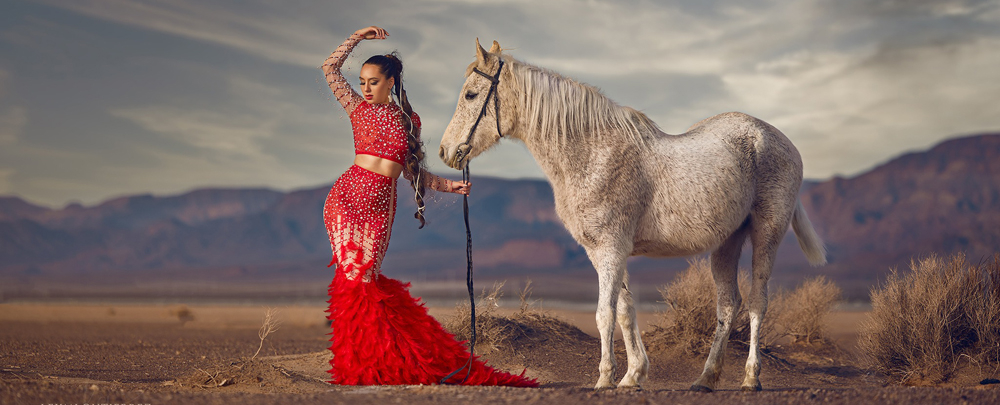
Fine art photography is an enchanting blend of vision, skill, and a deep understanding of aesthetics. To uncover the essence of this craft, let's step behind the lens with a fine art photographer, exploring a typical day that combines artistic vision with technical expertise.
Morning: The Pursuit of Inspiration
A fine art photographer's day often begins with the pursuit of inspiration. This could involve walking through nature, exploring urban landscapes, or simply observing the world through a different lens. Inspiration is a crucial ingredient in fine art photography—it shapes the concept and mood of the work.
Midday: Planning and Conceptualization
Once inspired, the photographer moves into planning and conceptualization. This stage involves selecting the right location, considering lighting conditions, and envisaging the composition. It's a thoughtful process, where every element from the subject to the background, lighting, and angles are meticulously considered to align with the artistic vision.
Afternoon: The Art of Capturing Images
With the plan in place, the photographer begins the actual process of capturing images. This requires a deep understanding of camera settings, lenses, and filters to achieve the desired effect. Fine art photographers often experiment with different exposures, angles, and techniques to create a unique piece of art.
Evening: Post-Processing Magic
After the shoot, the focus shifts to post-processing. This is where the photographer's vision truly comes to life. Using tools like Photoshop or Lightroom, the photographer enhances colors, adjusts contrasts, and applies various effects to transform the raw images into stunning pieces of art.
Reflection: The Heart of Artistry
The day ends with reflection. Fine art photography is not just about technical proficiency; it's about expressing emotions and telling stories. The photographer reviews the day's work, contemplating how each image speaks to their artistic intent. It's a moment of connection between the artist and their art.
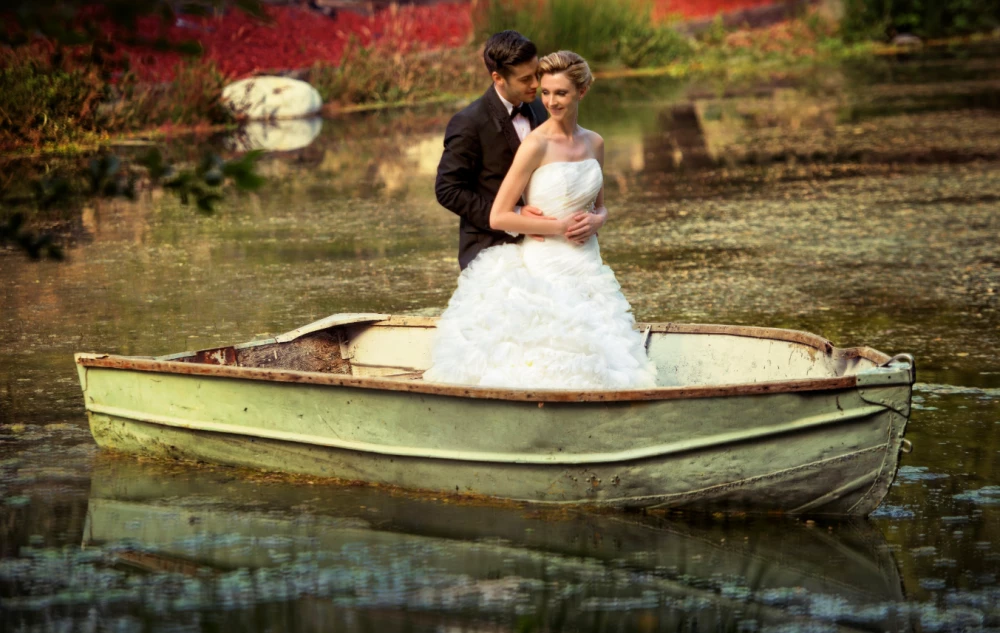
Fine art photography is an enchanting blend of vision, skill, and a deep understanding of aesthetics. To uncover the essence of this craft, let's step behind the lens with a fine art photographer, exploring a typical day that combines artistic vision with technical expertise.
Morning: The Pursuit of Inspiration
A fine art photographer's day often begins with the pursuit of inspiration. This could involve walking through nature, exploring urban landscapes, or simply observing the world through a different lens. Inspiration is a crucial ingredient in fine art photography—it shapes the concept and mood of the work.
Midday: Planning and Conceptualization
Once inspired, the photographer moves into planning and conceptualization. This stage involves selecting the right location, considering lighting conditions, and envisaging the composition. It's a thoughtful process, where every element from the subject to the background, lighting, and angles are meticulously considered to align with the artistic vision.
Afternoon: The Art of Capturing Images
With the plan in place, the photographer begins the actual process of capturing images. This requires a deep understanding of camera settings, lenses, and filters to achieve the desired effect. Fine art photographers often experiment with different exposures, angles, and techniques to create a unique piece of art.
Evening: Post-Processing Magic
After the shoot, the focus shifts to post-processing. This is where the photographer's vision truly comes to life. Using tools like Photoshop or Lightroom, the photographer enhances colors, adjusts contrasts, and applies various effects to transform the raw images into stunning pieces of art.
Reflection: The Heart of Artistry
The day ends with reflection. Fine art photography is not just about technical proficiency; it's about expressing emotions and telling stories. The photographer reviews the day's work, contemplating how each image speaks to their artistic intent. It's a moment of connection between the artist and their art.
1 Likes
