

H & R Gardening and Landscaping
Gardening
San Bernardino / CA / US
 0 (0)
0 (0)
0 followers
Green Thumbs Up: Embracing Sustainability in Gardening and Landscaping
In the world of gardening and landscaping, sustainability is becoming increasingly important. This article explores how individuals and professionals in these fields are adopting sustainable practices to create eco-friendly and efficient gardens and landscapes.
1. Water Conservation
One of the key aspects of sustainable gardening and landscaping is water conservation. Techniques like rainwater harvesting, drip irrigation, and the use of drought-tolerant plants help in reducing water usage.
2. Organic Gardening
The shift towards organic gardening is significant. This includes using natural pest control methods, composting, and avoiding synthetic fertilizers and pesticides. Organic gardening supports biodiversity and maintains soil health.
3. Native Planting
Using native plants in landscaping is gaining popularity. Native plants are well-adapted to the local environment, requiring less water and care. They also provide habitats for local wildlife, promoting biodiversity.
4. Edible Landscaping
Edible landscaping, where fruits, vegetables, and herbs are integrated into the garden, combines aesthetics with functionality. This approach encourages local food production and reduces the carbon footprint associated with food transport.
5. Green Spaces in Urban Areas
Creating green spaces in urban areas is a growing trend. Rooftop gardens, vertical gardens, and community gardens not only add beauty but also help in reducing urban heat islands and improving air quality.
6. Sustainable Materials
The use of sustainable materials in garden and landscape design is on the rise. This includes recycled materials, locally sourced stones, and sustainable wood. The goal is to minimize environmental impact from the production and transportation of materials.
Sustainable gardening and landscaping practices reflect a growing awareness of environmental issues and a commitment to preserving our planet. By embracing these practices, gardeners and landscapers play a crucial role in fostering eco-friendly spaces and promoting a healthier environment.
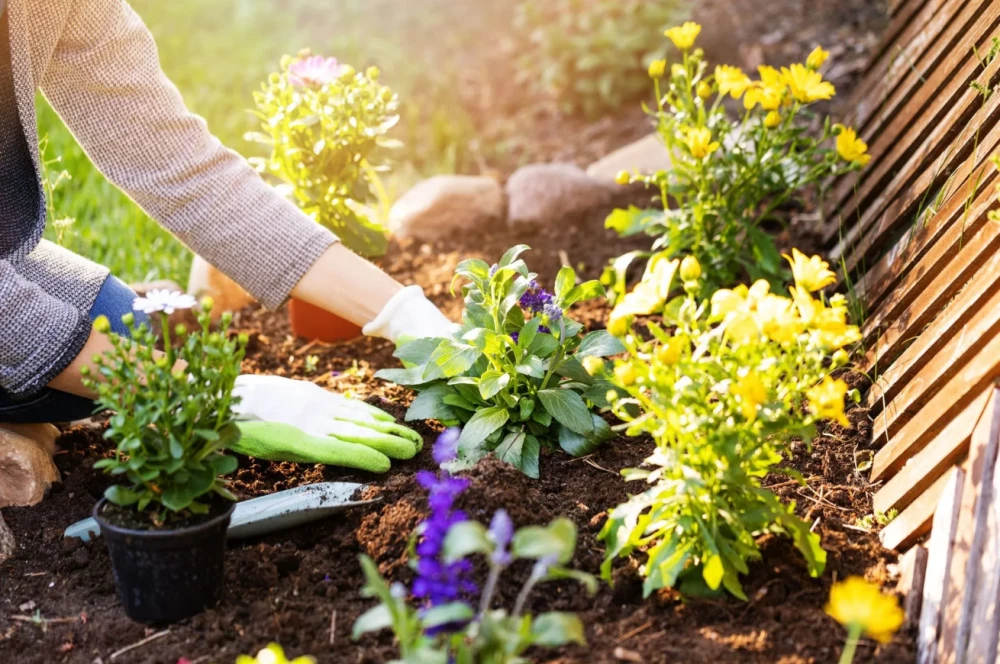
In the world of gardening and landscaping, sustainability is becoming increasingly important. This article explores how individuals and professionals in these fields are adopting sustainable practices to create eco-friendly and efficient gardens and landscapes.
1. Water Conservation
One of the key aspects of sustainable gardening and landscaping is water conservation. Techniques like rainwater harvesting, drip irrigation, and the use of drought-tolerant plants help in reducing water usage.
2. Organic Gardening
The shift towards organic gardening is significant. This includes using natural pest control methods, composting, and avoiding synthetic fertilizers and pesticides. Organic gardening supports biodiversity and maintains soil health.
3. Native Planting
Using native plants in landscaping is gaining popularity. Native plants are well-adapted to the local environment, requiring less water and care. They also provide habitats for local wildlife, promoting biodiversity.
4. Edible Landscaping
Edible landscaping, where fruits, vegetables, and herbs are integrated into the garden, combines aesthetics with functionality. This approach encourages local food production and reduces the carbon footprint associated with food transport.
5. Green Spaces in Urban Areas
Creating green spaces in urban areas is a growing trend. Rooftop gardens, vertical gardens, and community gardens not only add beauty but also help in reducing urban heat islands and improving air quality.
6. Sustainable Materials
The use of sustainable materials in garden and landscape design is on the rise. This includes recycled materials, locally sourced stones, and sustainable wood. The goal is to minimize environmental impact from the production and transportation of materials.
Sustainable gardening and landscaping practices reflect a growing awareness of environmental issues and a commitment to preserving our planet. By embracing these practices, gardeners and landscapers play a crucial role in fostering eco-friendly spaces and promoting a healthier environment.
0 Likes
