

A Gift Of Time
Jewelry
Loma Linda / CA / US
 0 (0)
0 (0)
0 followers
Ticking Through Time: A Historical Perspective on Clock Repair
Clock repair is an ancient craft that has evolved over centuries. This article delves into the historical perspective of clock repair, exploring how this art has been preserved and adapted through time.
The Early Days of Clockmaking
The history of clock repair is closely tied to the history of clockmaking itself. Early mechanical clocks appeared in the 14th century in Europe. These timepieces were large, often installed in church towers. The craft of repairing these clocks was as vital then as it is now, requiring a deep understanding of mechanics and artistry.
The Golden Age of Clockmaking
The 17th and 18th centuries are often considered the golden age of clockmaking. During this era, the craft saw significant advancements with the invention of the pendulum clock and later, the marine chronometer. Clockmakers and repairers of this time were highly respected artisans, and their skills were passed down through apprenticeships.
Industrial Revolution and Mass Production
The Industrial Revolution brought about mass production of clocks, making them more accessible to the public. This period saw a shift in clock repair as well, with repairers starting to work on a wider range of timepieces, from grand grandfather clocks to personal pocket watches.
The 20th Century and Quartz Revolution
The 20th century introduced electric and quartz clocks, which were more accurate and required less maintenance. This technological shift posed a challenge for traditional clock repairers, prompting many to specialize in the repair of antique mechanical clocks.
Modern Times and the Revival of Craftsmanship
Today, there is a renewed interest in traditional craftsmanship. Clock repairers not only fix modern timepieces but also restore antique clocks, preserving a piece of history. The profession now blends ancient techniques with modern technology.
Clock repair, as a profession, has weathered the tides of time, evolving with technological advancements while maintaining the age-old traditions of craftsmanship. It's a field that beautifully encapsulates the journey of human ingenuity in measuring time.
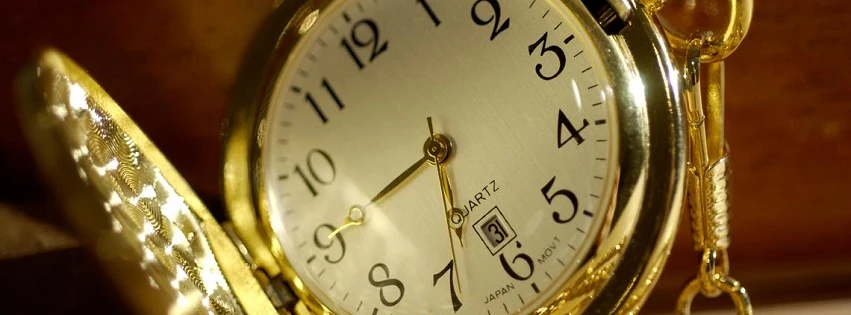
Clock repair is an ancient craft that has evolved over centuries. This article delves into the historical perspective of clock repair, exploring how this art has been preserved and adapted through time.
The Early Days of Clockmaking
The history of clock repair is closely tied to the history of clockmaking itself. Early mechanical clocks appeared in the 14th century in Europe. These timepieces were large, often installed in church towers. The craft of repairing these clocks was as vital then as it is now, requiring a deep understanding of mechanics and artistry.
The Golden Age of Clockmaking
The 17th and 18th centuries are often considered the golden age of clockmaking. During this era, the craft saw significant advancements with the invention of the pendulum clock and later, the marine chronometer. Clockmakers and repairers of this time were highly respected artisans, and their skills were passed down through apprenticeships.
Industrial Revolution and Mass Production
The Industrial Revolution brought about mass production of clocks, making them more accessible to the public. This period saw a shift in clock repair as well, with repairers starting to work on a wider range of timepieces, from grand grandfather clocks to personal pocket watches.
The 20th Century and Quartz Revolution
The 20th century introduced electric and quartz clocks, which were more accurate and required less maintenance. This technological shift posed a challenge for traditional clock repairers, prompting many to specialize in the repair of antique mechanical clocks.
Modern Times and the Revival of Craftsmanship
Today, there is a renewed interest in traditional craftsmanship. Clock repairers not only fix modern timepieces but also restore antique clocks, preserving a piece of history. The profession now blends ancient techniques with modern technology.
Clock repair, as a profession, has weathered the tides of time, evolving with technological advancements while maintaining the age-old traditions of craftsmanship. It's a field that beautifully encapsulates the journey of human ingenuity in measuring time.
1 Likes
