

Woodland Park Insurance Services
Insurance
Laguna Niguel / CA / US
 0 (0)
0 followers
Navigating the Future: The Evolving Landscape of Insurance Services
The insurance industry, a cornerstone of economic stability and personal security, is undergoing a significant transformation. Driven by technological advancements and changing consumer expectations, insurance services are evolving to meet the demands of a dynamic world.
Digitalization: A New Era of Accessibility
Digitalization is reshaping insurance services, making them more accessible and user-friendly. Online platforms and mobile apps allow consumers to manage their policies, file claims, and access support with unprecedented ease. This digital shift not only enhances customer experience but also streamlines operational efficiency.
Personalization: Tailoring to Individual Needs
Gone are the days of one-size-fits-all policies. Insurance services are increasingly focusing on personalization, offering customized coverage options based on individual risk profiles and preferences. This approach not only benefits consumers with more relevant products but also enables insurers to manage risks more effectively.
AI and Big Data: Transforming Decision-Making
Artificial intelligence (AI) and big data are revolutionizing how insurance companies assess risk and price policies. By analyzing vast amounts of data, insurers can identify patterns and trends, leading to more accurate risk assessments and pricing models. This technology-driven approach also helps in detecting and preventing fraud.
The Rise of Insurtech Startups
Insurtech startups are bringing innovation and disruption to the traditional insurance landscape. These companies, leveraging cutting-edge technology, are introducing novel concepts like peer-to-peer insurance and on-demand coverage, challenging established business models and pushing the industry towards greater innovation.
Regulatory Challenges and Opportunities
As the insurance industry evolves, it faces regulatory challenges and opportunities. Regulations must adapt to accommodate new technologies and business models while ensuring consumer protection and market stability. This dynamic regulatory environment requires insurers to be agile and proactive.
Conclusion
The future of insurance services is marked by digitalization, personalization, and innovation. As the industry navigates these changes, it remains committed to its core mission: providing security and peace of mind in an ever-changing world.
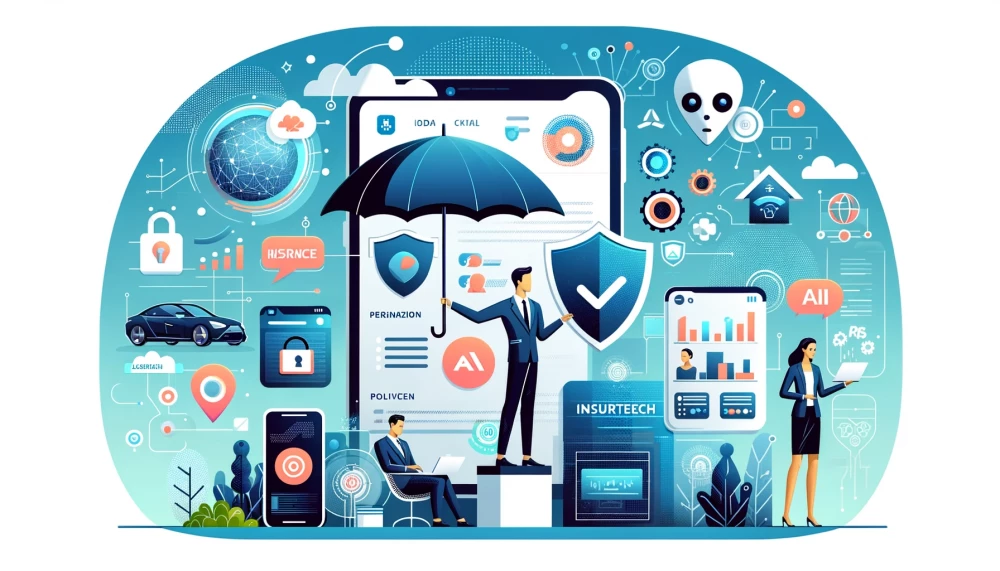
The insurance industry, a cornerstone of economic stability and personal security, is undergoing a significant transformation. Driven by technological advancements and changing consumer expectations, insurance services are evolving to meet the demands of a dynamic world.
Digitalization: A New Era of Accessibility
Digitalization is reshaping insurance services, making them more accessible and user-friendly. Online platforms and mobile apps allow consumers to manage their policies, file claims, and access support with unprecedented ease. This digital shift not only enhances customer experience but also streamlines operational efficiency.
Personalization: Tailoring to Individual Needs
Gone are the days of one-size-fits-all policies. Insurance services are increasingly focusing on personalization, offering customized coverage options based on individual risk profiles and preferences. This approach not only benefits consumers with more relevant products but also enables insurers to manage risks more effectively.
AI and Big Data: Transforming Decision-Making
Artificial intelligence (AI) and big data are revolutionizing how insurance companies assess risk and price policies. By analyzing vast amounts of data, insurers can identify patterns and trends, leading to more accurate risk assessments and pricing models. This technology-driven approach also helps in detecting and preventing fraud.
The Rise of Insurtech Startups
Insurtech startups are bringing innovation and disruption to the traditional insurance landscape. These companies, leveraging cutting-edge technology, are introducing novel concepts like peer-to-peer insurance and on-demand coverage, challenging established business models and pushing the industry towards greater innovation.
Regulatory Challenges and Opportunities
As the insurance industry evolves, it faces regulatory challenges and opportunities. Regulations must adapt to accommodate new technologies and business models while ensuring consumer protection and market stability. This dynamic regulatory environment requires insurers to be agile and proactive.
Conclusion
The future of insurance services is marked by digitalization, personalization, and innovation. As the industry navigates these changes, it remains committed to its core mission: providing security and peace of mind in an ever-changing world.
0 Likes
