

Art By Fire
Arts
Issaquah / WA / US
 0 (0)
0 (0)
0 followers
Debunking Glassblowing Myths: A Closer Look at a Fiery Art.
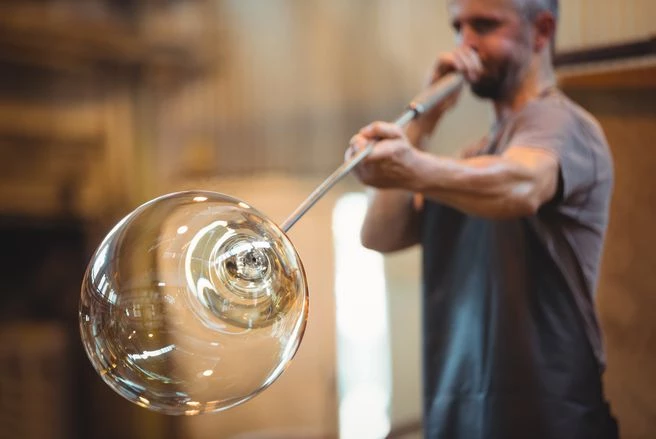
Glassblowing stands as a mesmerizing intersection of heat and skill, sculpting molten material into intricate creations. Despite a rich history spanning millennia, a fog of myths and misunderstandings often clouds public perception of this delicate artistry. Let's navigate through the prevalent untruths surrounding glassblowing.
The belief that glassblowing equates to perilous endeavors fraught with burns and accidents is widespread. While handling hot substances is inherent, adherence to precautionary measures ensures it is as secure as any artistic pursuit. Training and respect for the craft naturally engender a safety-focused environment.
Contrary to another popular assumption, the field of glass sculpting is not male-dominated. The annals of glassblowing history feature numerous women who have significantly influenced its evolution. Dale Chihuly and Toots Zynsky, among others, have paved avenues for aspiring artists, demonstrating that talent and passion transcend gender boundaries in this art sphere.
Moreover, a portion of observers reduce glassblowing to a simple act of inflating molten material through a tube, assuming it to be effortless to learn. This perspective underestimates the intricate knowledge required to maneuver through processes involving meticulous sculpting, molding, and thermal management to shape a masterpiece. Mastery unfolds over time, underscoring the depth of skill that defines a proficient artist.
A section of critics argues that glassblowing drains environmental resources, referencing the high energy consumption linked with traditional practices. In contrast, contemporary studios emphasize sustainability, adopting energy-saving furnaces and encouraging glass recycling to mitigate adverse impacts. This development portrays the adaptability ingrained in the glassblowing culture.
By dissecting the myriad myths encircling the glassblowing realm, we usher in a renewed understanding and deeper appreciation of this age-old craft. The journey through debunking untruths enables us to visualize it as an inclusive, secure, and environmentally conscious art form. Advocating for informed perspectives, we can uplift the glassblowing discipline to a platform that highlights its captivating blend of innovation and tradition, unraveling its true essence from the confines of misconception. Let’s foster knowledge that elevates respect for glassblowing, portraying it as a beacon of human creativity and skill.
Glassblowing stands as a mesmerizing intersection of heat and skill, sculpting molten material into intricate creations. Despite a rich history spanning millennia, a fog of myths and misunderstandings often clouds public perception of this delicate artistry. Let's navigate through the prevalent untruths surrounding glassblowing.
The belief that glassblowing equates to perilous endeavors fraught with burns and accidents is widespread. While handling hot substances is inherent, adherence to precautionary measures ensures it is as secure as any artistic pursuit. Training and respect for the craft naturally engender a safety-focused environment.
Contrary to another popular assumption, the field of glass sculpting is not male-dominated. The annals of glassblowing history feature numerous women who have significantly influenced its evolution. Dale Chihuly and Toots Zynsky, among others, have paved avenues for aspiring artists, demonstrating that talent and passion transcend gender boundaries in this art sphere.
Moreover, a portion of observers reduce glassblowing to a simple act of inflating molten material through a tube, assuming it to be effortless to learn. This perspective underestimates the intricate knowledge required to maneuver through processes involving meticulous sculpting, molding, and thermal management to shape a masterpiece. Mastery unfolds over time, underscoring the depth of skill that defines a proficient artist.
A section of critics argues that glassblowing drains environmental resources, referencing the high energy consumption linked with traditional practices. In contrast, contemporary studios emphasize sustainability, adopting energy-saving furnaces and encouraging glass recycling to mitigate adverse impacts. This development portrays the adaptability ingrained in the glassblowing culture.
By dissecting the myriad myths encircling the glassblowing realm, we usher in a renewed understanding and deeper appreciation of this age-old craft. The journey through debunking untruths enables us to visualize it as an inclusive, secure, and environmentally conscious art form. Advocating for informed perspectives, we can uplift the glassblowing discipline to a platform that highlights its captivating blend of innovation and tradition, unraveling its true essence from the confines of misconception. Let’s foster knowledge that elevates respect for glassblowing, portraying it as a beacon of human creativity and skill.
2 Likes
