

Nomadic Trails
Travel
Los Angeles / CA / US
 0 (0)
0 (0)
0 followers
Sleep Tight, Camp Right: The Sleeping Bag Guide.
Choosing the perfect sleeping bag can turn your camping trip from tolerable to cozy. Here's your quick guide to making the right choice:
1. Understand the Temperature Ratings: Sleeping bags are rated by temperature. A 20°F (-6°C) bag is designed to keep you safe in temperatures down to 20°F. Choose one based on the coldest temperature you expect.
2. Choose Your Insulation Type: Sleeping bags are typically filled with either down (light, efficient, compressible, but loses warmth when wet) or synthetic insulation (heavier, bulkier, but retains warmth when wet).
3. Consider the Shape and Size: Mummy bags offer greater warmth but less room, while rectangular bags provide more space to move. Also, make sure it's the right length for your height for maximum comfort.
4. Check the Weight: If you're backpacking, every ounce matters. Go for lighter bags if long hikes are part of your plan.
5. Look at the Zipper Design: A two-way zipper is convenient for venting your feet or zipping together with another bag.
6. Additional Features: Some sleeping bags come with extras like neck collars, draft tubes, hoods, and internal pockets. These can add comfort and functionality. Remember, no single sleeping bag is perfect for all scenarios. What matters is finding a balance that suits your camping style and conditions. Sweet dreams under the stars!
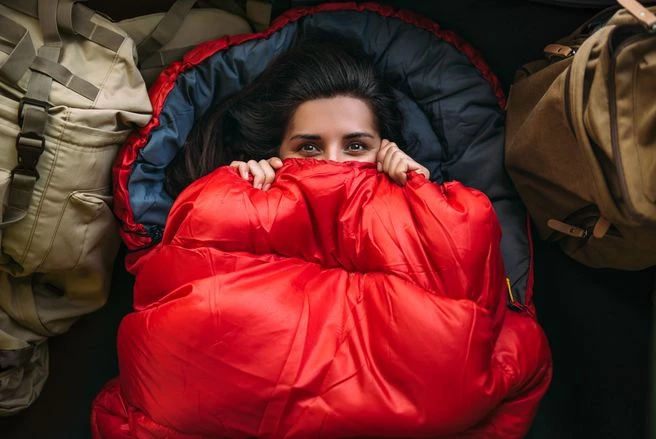
Choosing the perfect sleeping bag can turn your camping trip from tolerable to cozy. Here's your quick guide to making the right choice:
1. Understand the Temperature Ratings: Sleeping bags are rated by temperature. A 20°F (-6°C) bag is designed to keep you safe in temperatures down to 20°F. Choose one based on the coldest temperature you expect.
2. Choose Your Insulation Type: Sleeping bags are typically filled with either down (light, efficient, compressible, but loses warmth when wet) or synthetic insulation (heavier, bulkier, but retains warmth when wet).
3. Consider the Shape and Size: Mummy bags offer greater warmth but less room, while rectangular bags provide more space to move. Also, make sure it's the right length for your height for maximum comfort.
4. Check the Weight: If you're backpacking, every ounce matters. Go for lighter bags if long hikes are part of your plan.
5. Look at the Zipper Design: A two-way zipper is convenient for venting your feet or zipping together with another bag.
6. Additional Features: Some sleeping bags come with extras like neck collars, draft tubes, hoods, and internal pockets. These can add comfort and functionality. Remember, no single sleeping bag is perfect for all scenarios. What matters is finding a balance that suits your camping style and conditions. Sweet dreams under the stars!
1 Likes
